








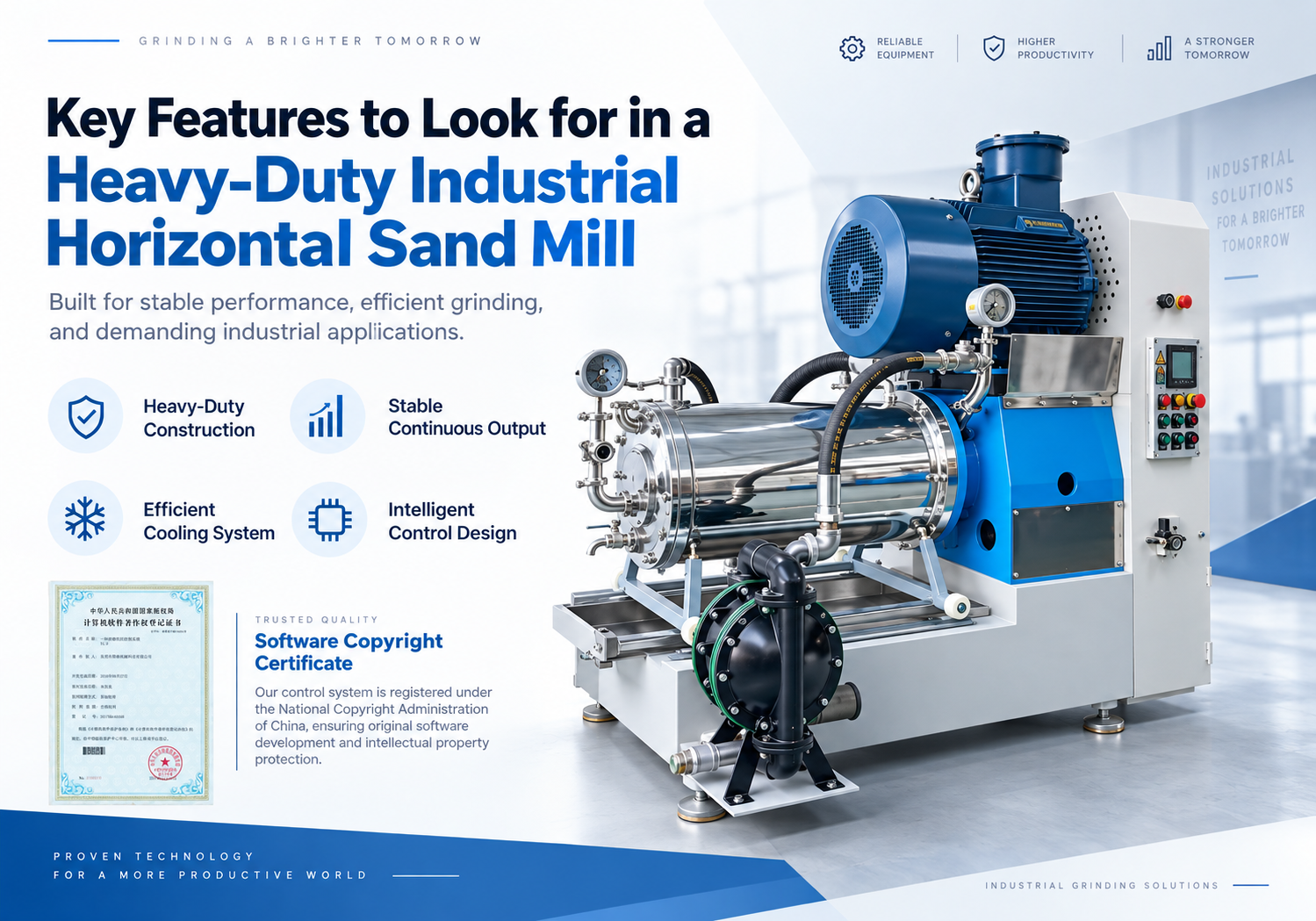
Key Features to Look for in a Heavy-Duty Industrial Horizontal Sand Mill
Not every horizontal sand mill is built for heavy-duty, round-the-clock industrial operation. While entry-level machines may handle light-duty or intermittent production adequately
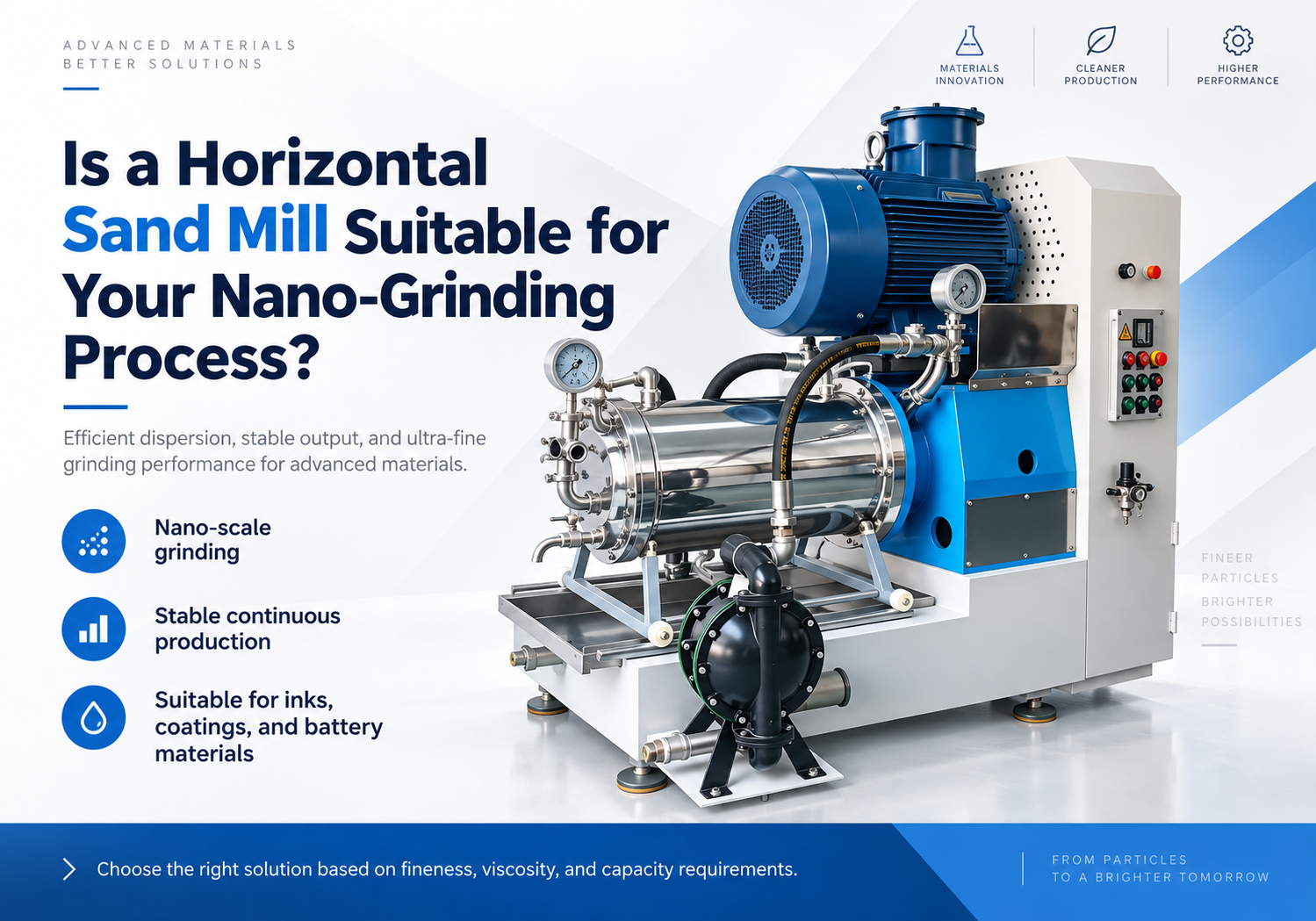
Is a Horizontal Sand Mill Suitable for Your Nano-Grinding Process?
In industrial wet grinding, “nano-grinding” generally refers to reducing particle size down into the sub-micron range — often below 500 nanometers, and in some advanced applications, below 100 nanometers. This
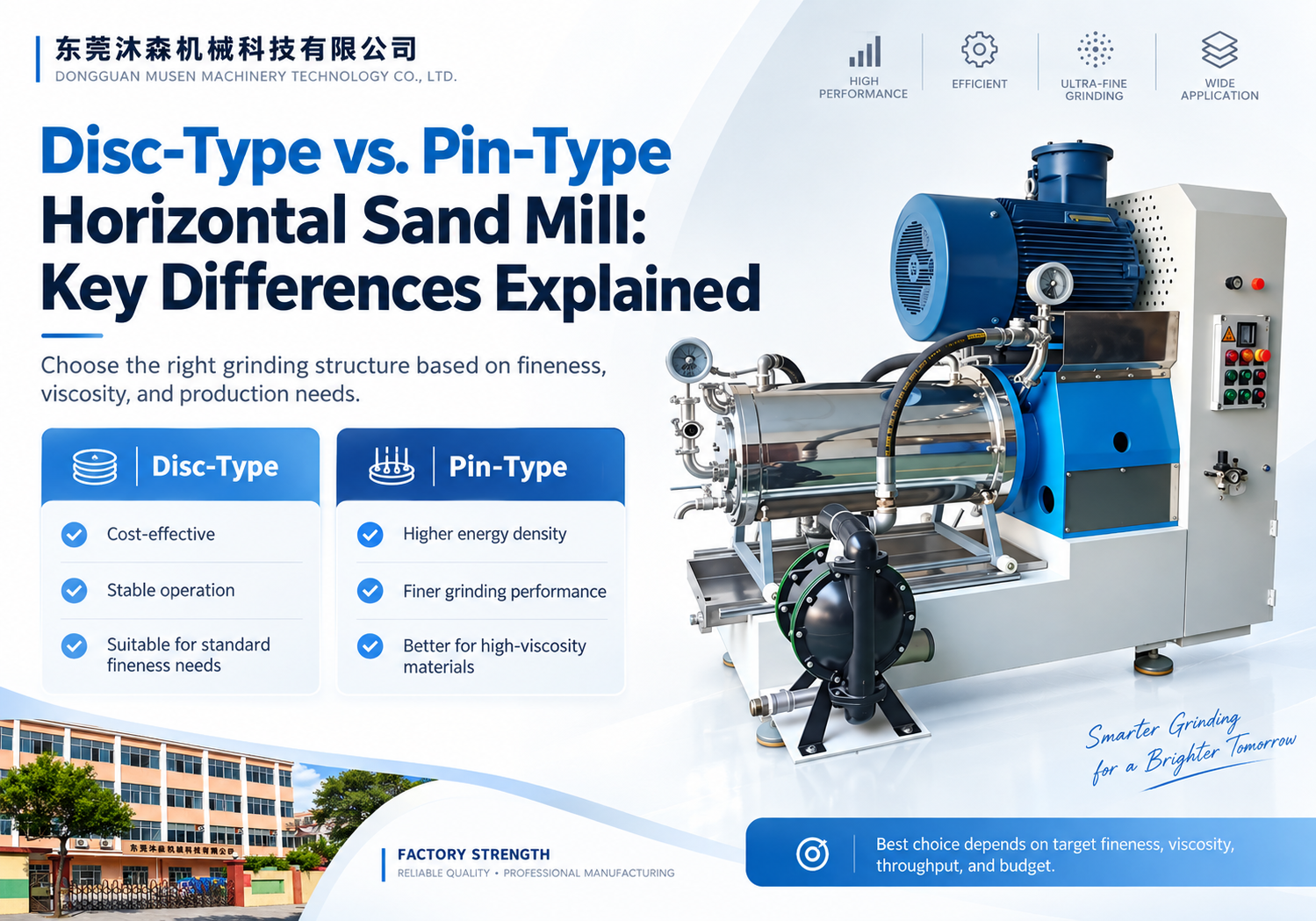
Disc-Type vs. Pin-Type Horizontal Sand Mill: Key Differences Explained
A horizontal sand mill works by rotating a shaft-mounted rotor inside a cylindrical, jacketed chamber filled with grinding media and product slurry. The
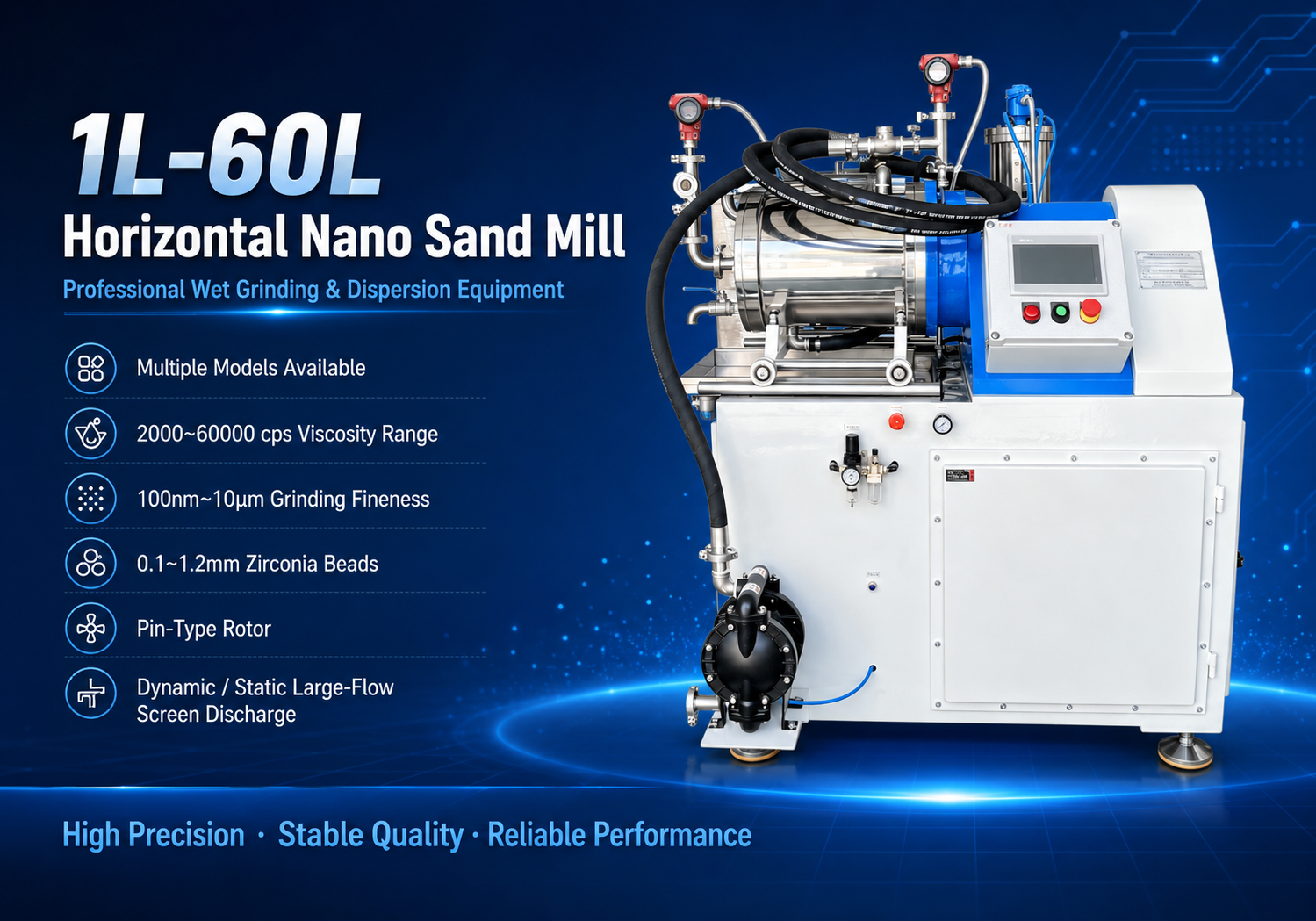
Dynamic vs Static Screen Discharge in Sand Mill: Which Separation System Prevents Clogging?
Whether you operate a lab sand mill during R&D trials or a large-scale industrial horizontal sand mill, the discharge mechanism directly dictates
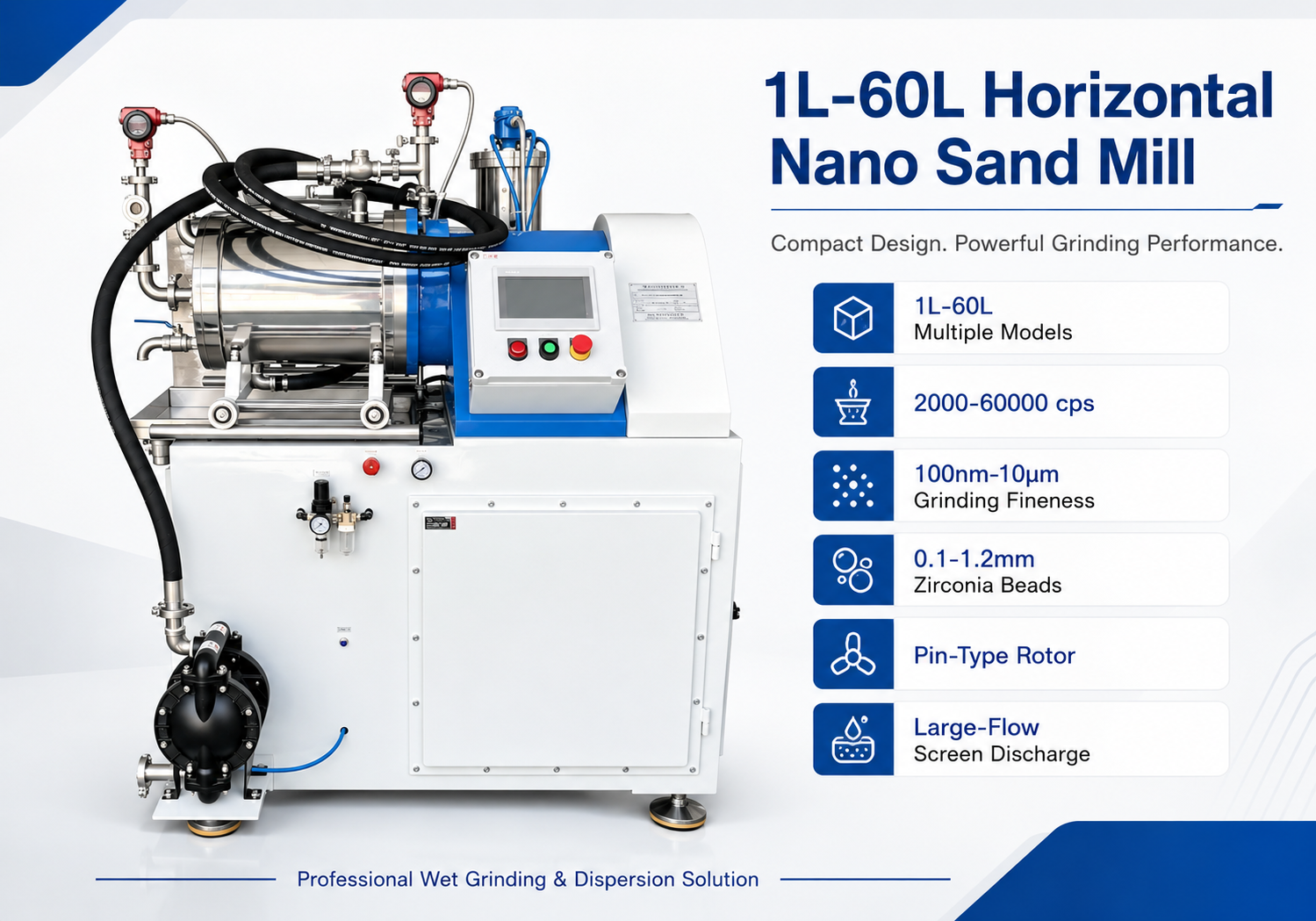
How to Choose the Right Horizontal Sand Mill: A Complete Guide from 1L to 60L
A horizontal sand mill (also called a horizontal bead mill) is a wet grinding and dispersing machine in which material and grinding media — typically zirconia beads, glass beads, or zirconium silicate beads
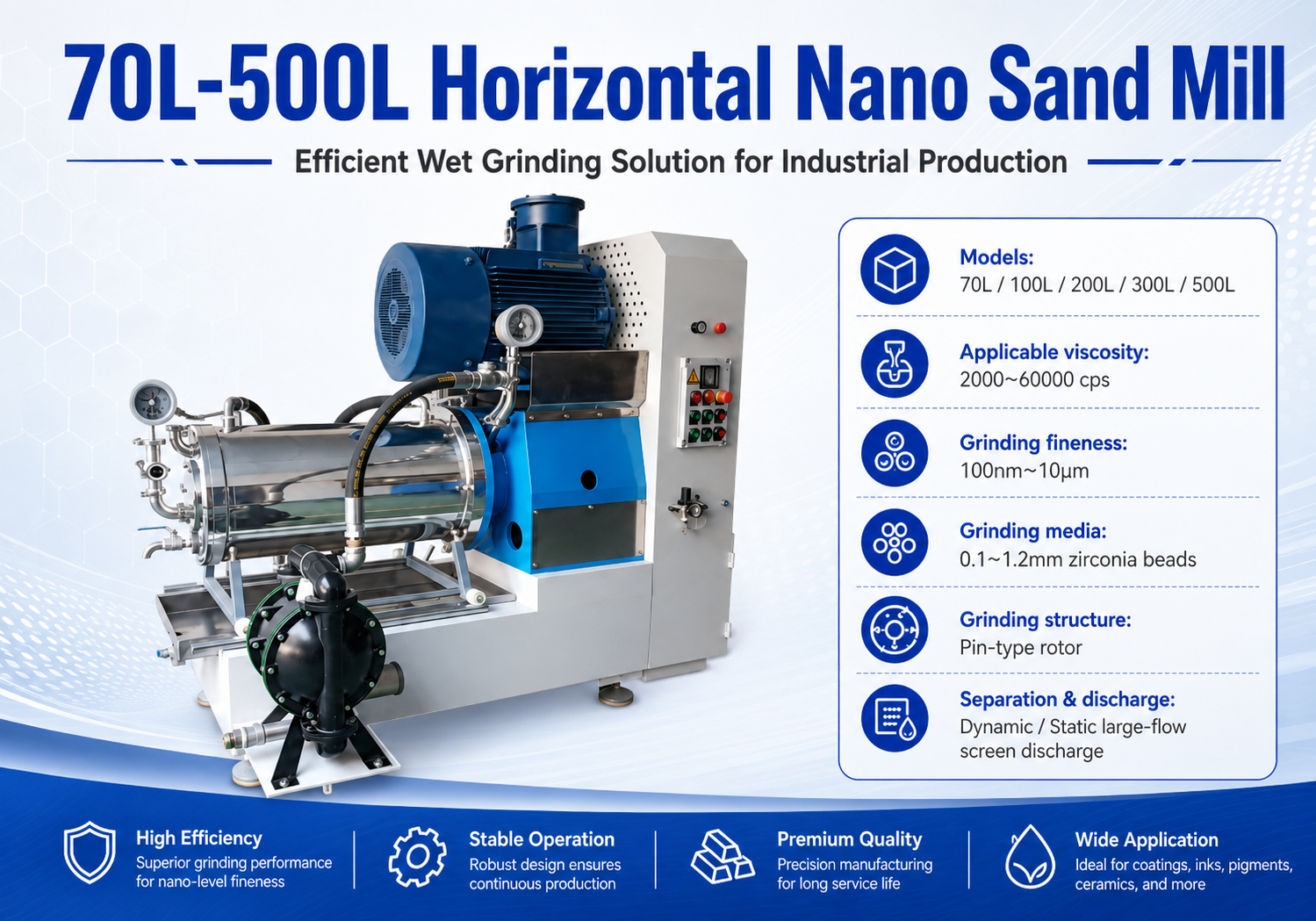
Horizontal Nano Sand Mill (70L-150L): The Complete Guide for Paint, Ink & Coating Production
When it comes to fine grinding and dispersing in the paint, coating, ink, pigment, and chemical industries, choosing the right sand mill can make or break your production efficiency.
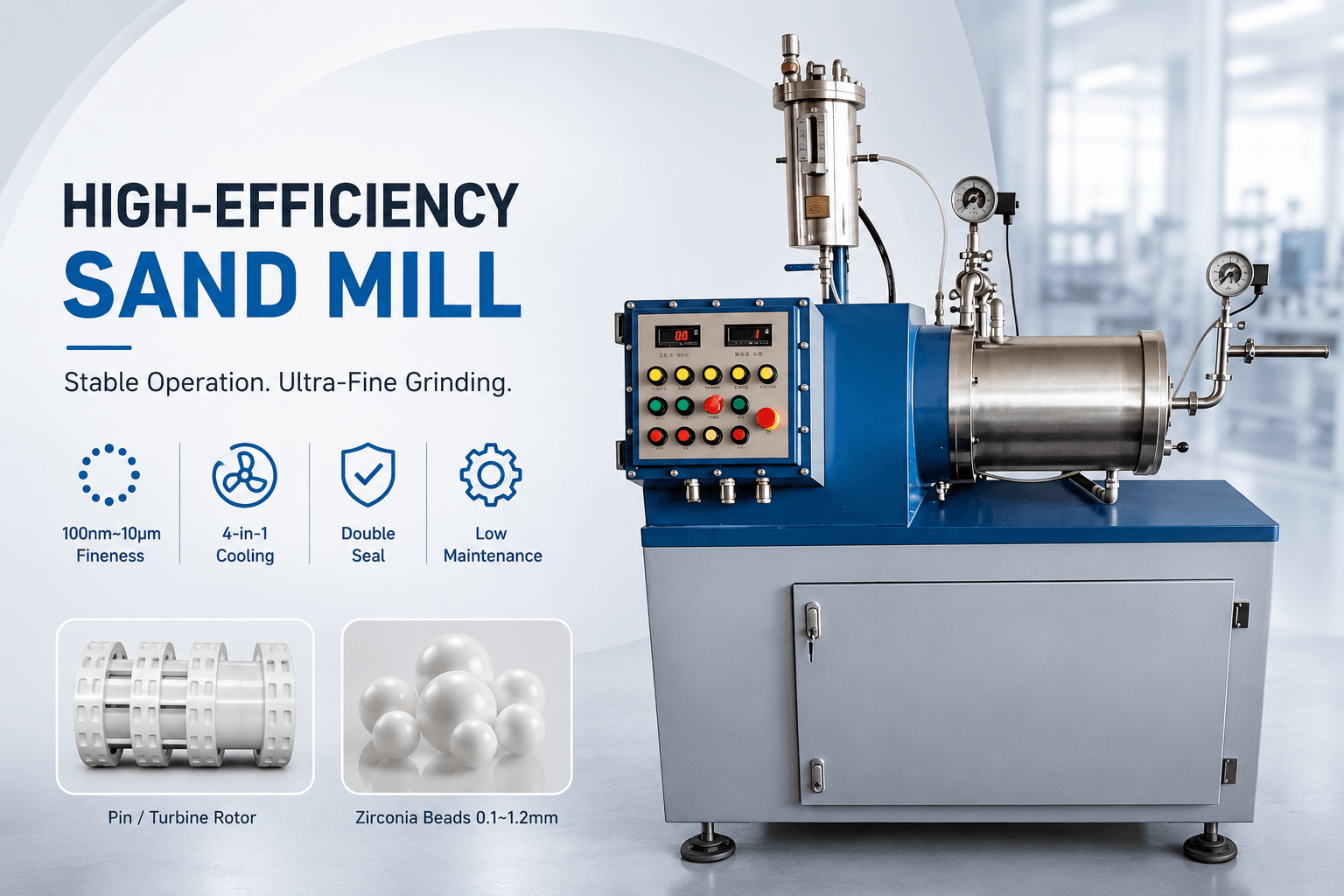
Nano Turbine Sand Mill: High-Efficiency Grinding for Ultra-Fine Materials
Achieving ultra-fine particle sizes is essential in modern manufacturing, especially for industries like lithium battery production, nano pigments, and electronic
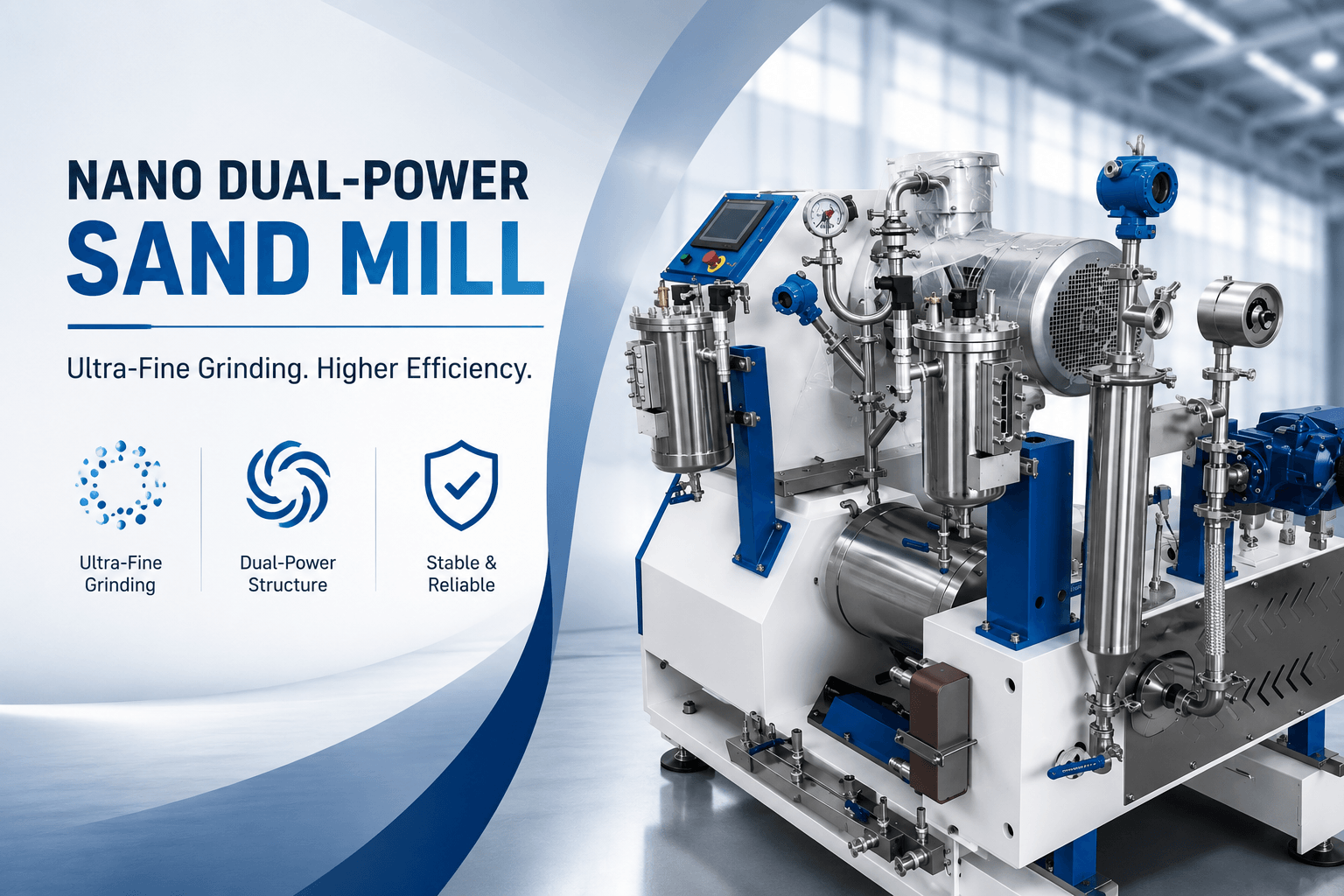
Why Dual-Power Grinding Technology Is Becoming the Preferred Choice for Nano Material Processing
In nano-scale manufacturing, grinding performance is no longer determined by motor power alone. As particle size requirements become increasingly demanding,
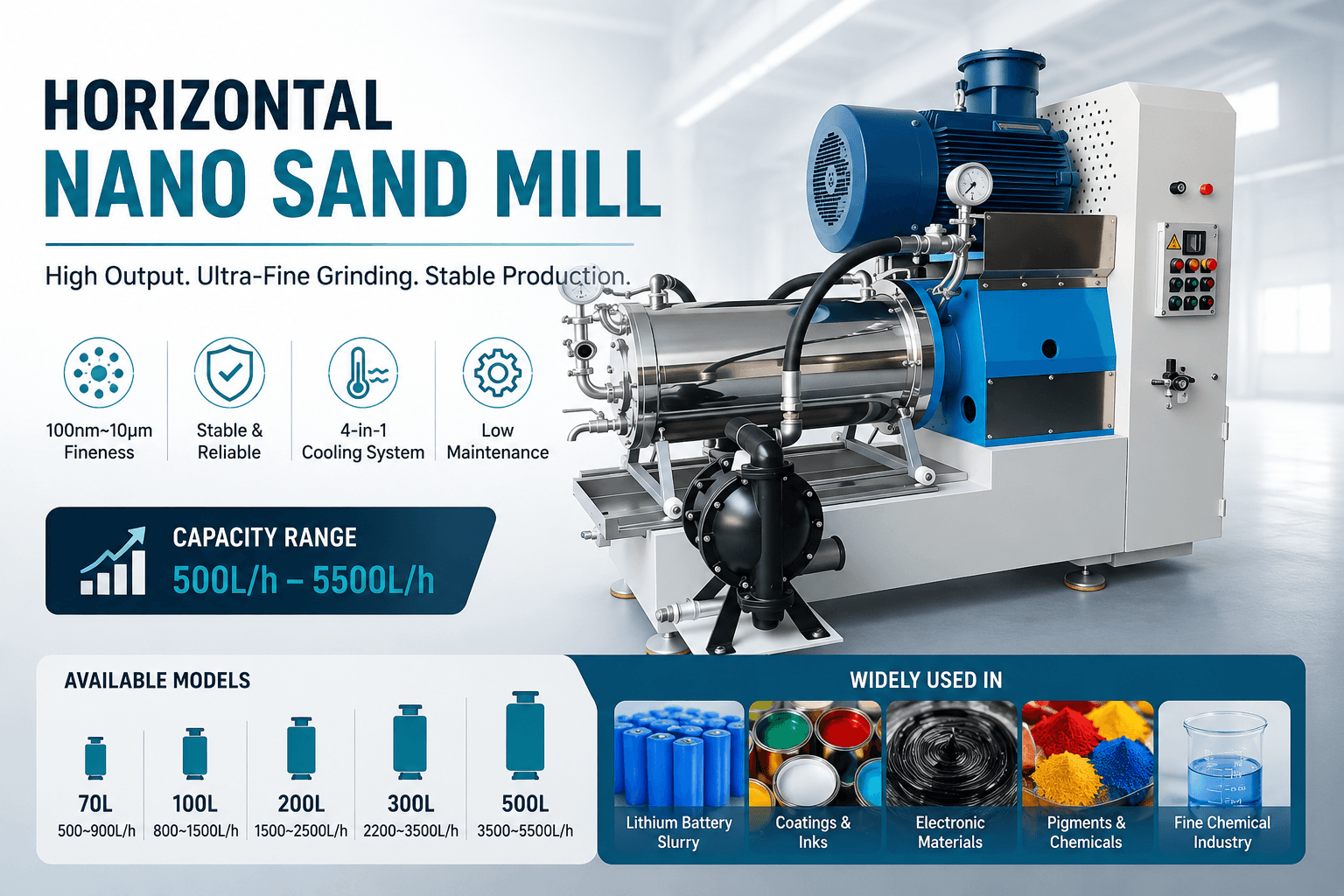
How to Choose the Right Horizontal Nano Sand Mill for Large-Scale Production
As production requirements continue to grow, many manufacturers discover that their existing grinding equipment can no longer keep up. What
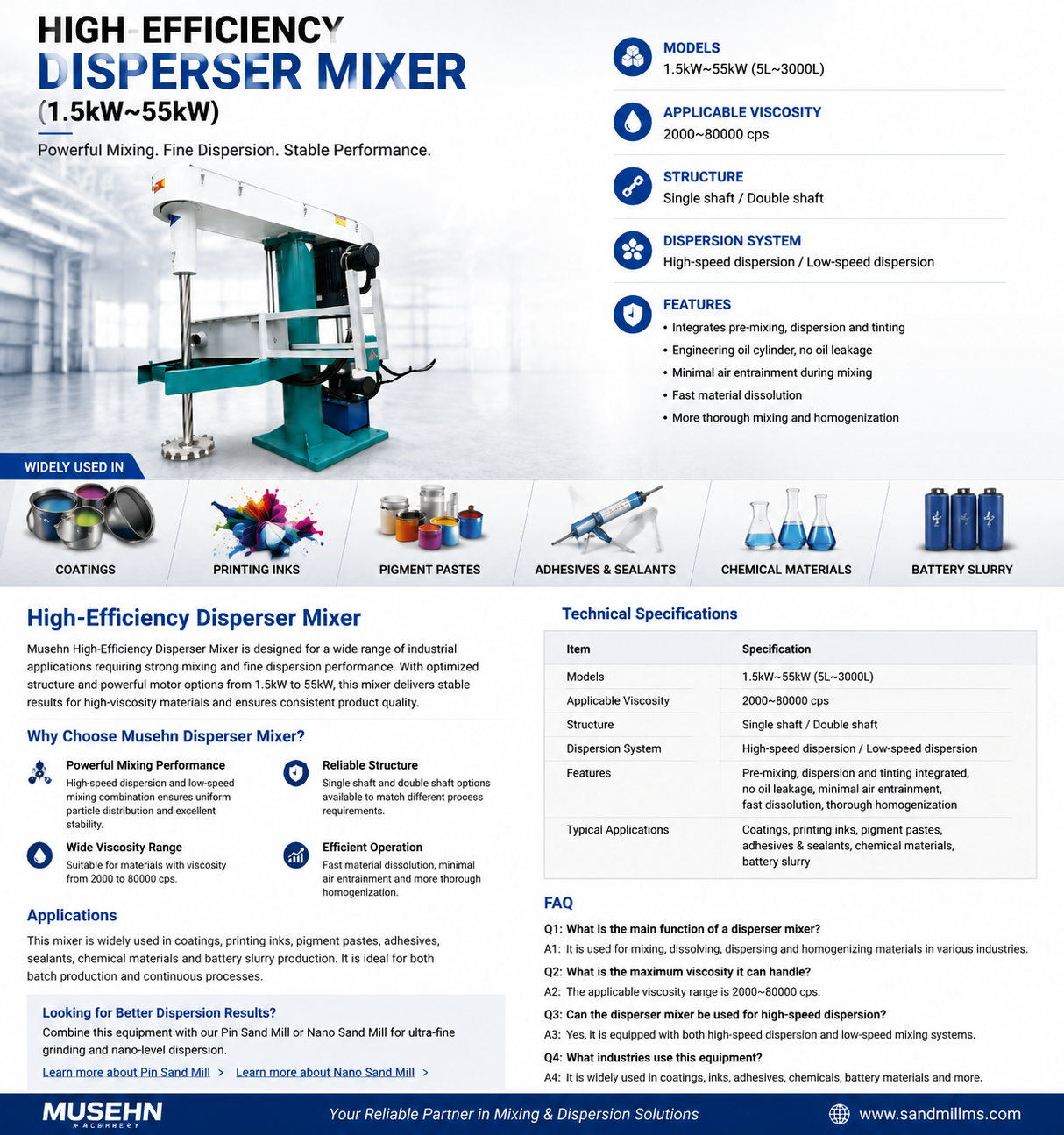
High Efficiency Disperser Mixer: Industrial Mixing & Dispersion Solution for High Viscosity Materials
Musehn High Efficiency Disperser Mixer is designed for industrial applications requiring powerful mixing, fast dispersion and stable homogenization. With single shaft and double shaft options, it handles high viscosity materials up to 80000 cps and is widely used in coatings, printing inks, pigment pastes, adhesives, chemical materials and battery slurry production.
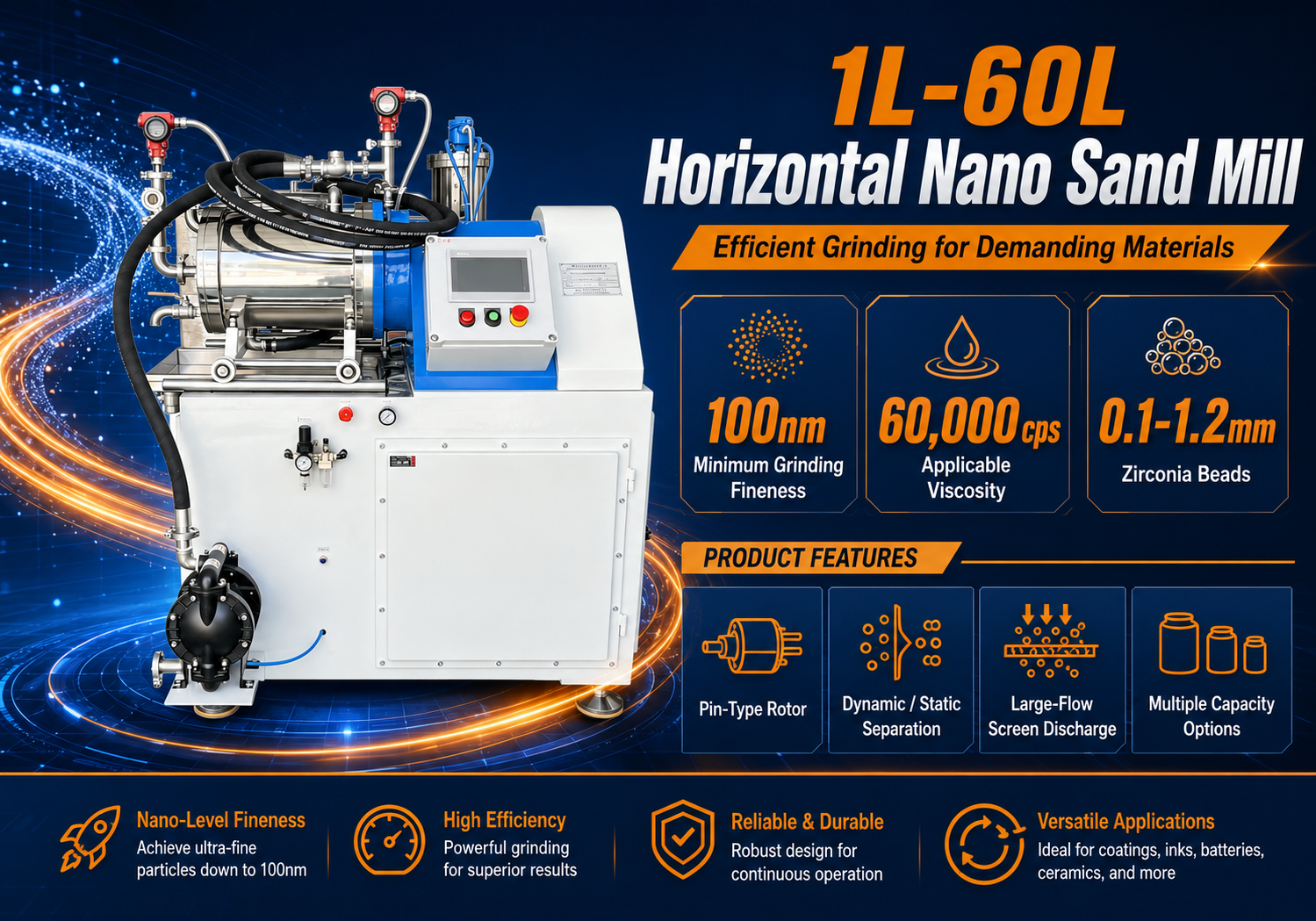
Zirconia Beads Size Guide: How 0.1mm–1.2mm Grinding Media Affects Nano Fineness (100nm–10μm)
This guide explores how selecting zirconia bead sizes ranging from 0.1mm to 1.2mm impacts nano fineness, and how pairing the correct media with advanced Nano Sand Mill technology unlocks ultimate milling performance.
Horizontal Nano Pin Sand Mill (30-150L) | Pin Type Bead Mill for Fine Grinding
Discover the cutting-edge Horizontal Nano Pin Sand Mill, a high-efficiency wet grinding machine designed for achieving micron and nano-level particle size reduction. With its innovative pin-type grinding structure, this equipment generates powerful impact and shear forces, ensuring superior dispersion quality and particle size distribution. Ideal for a variety of industries, including lithium batteries, coatings, and fine chemicals, this versatile machine offers a wide viscosity range and exceptional grinding fineness. Explore how our advanced 4-in-1 cooling system and dynamic/static screen discharge enhance performance and stability. Unleash the potential of your materials with the Horizontal Nano Pin Sand Mill!
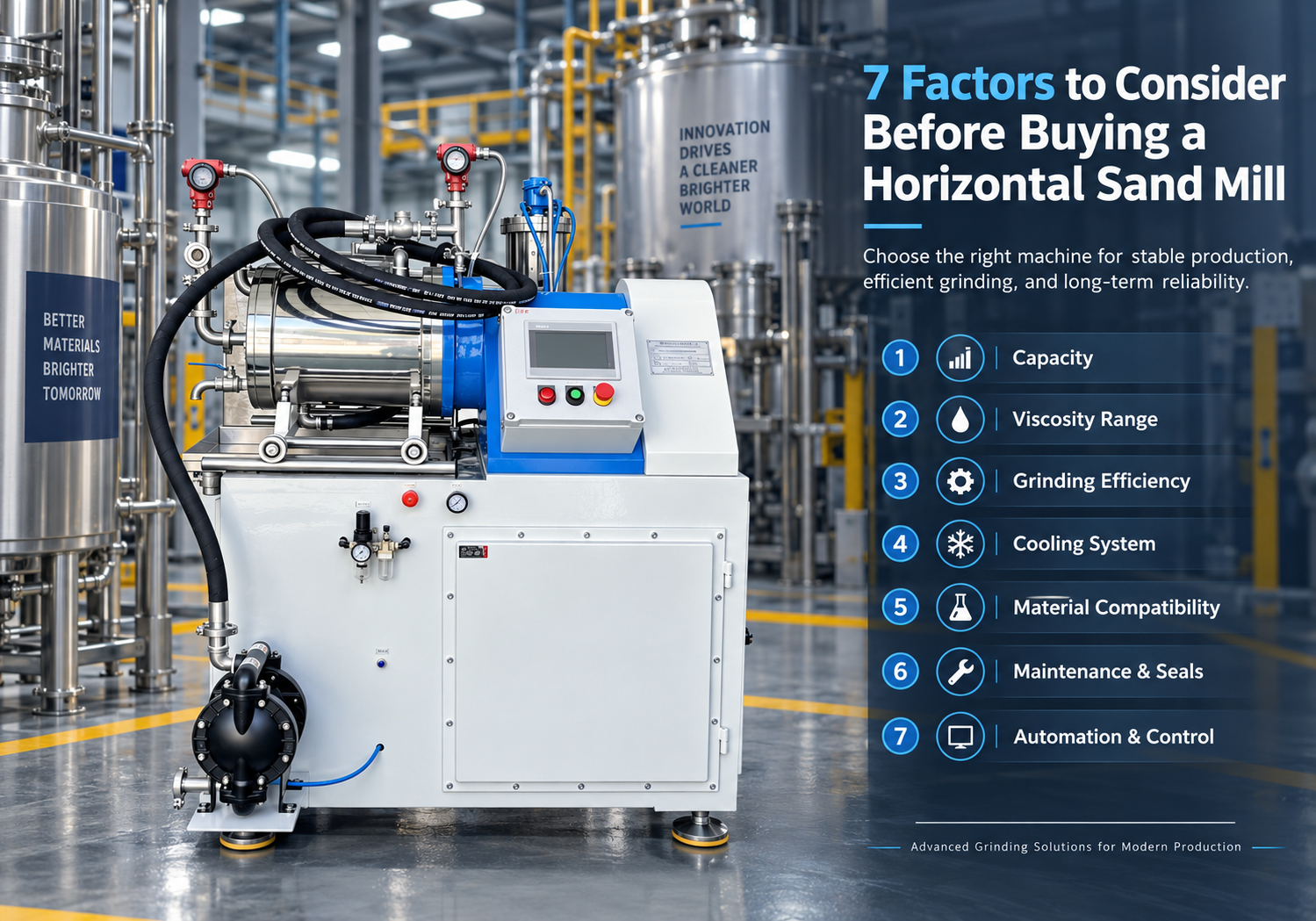
7 Factors to Consider Before Buying a Horizontal Sand Mill
Every horizontal sand mill is engineered to perform within a specific viscosity window. Before purchasing, confirm the viscosity profile of your actual production materials
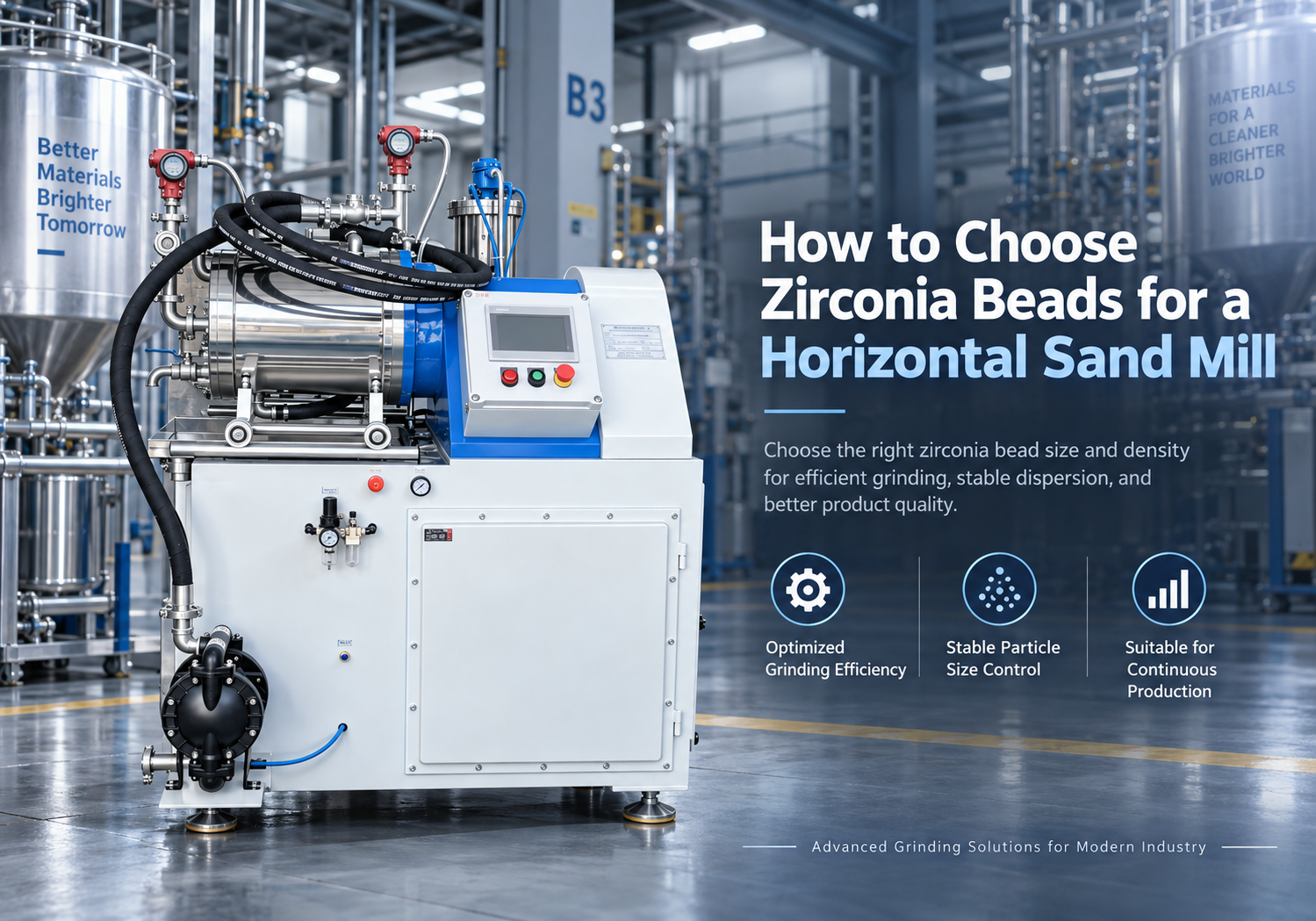
How to Choose Zirconia Beads for a Horizontal Sand Mill
Even the best-engineered horizontal sand mill cannot deliver nano-scale fineness if the wrong grinding beads are used. For manufacturers producing lithium battery materials
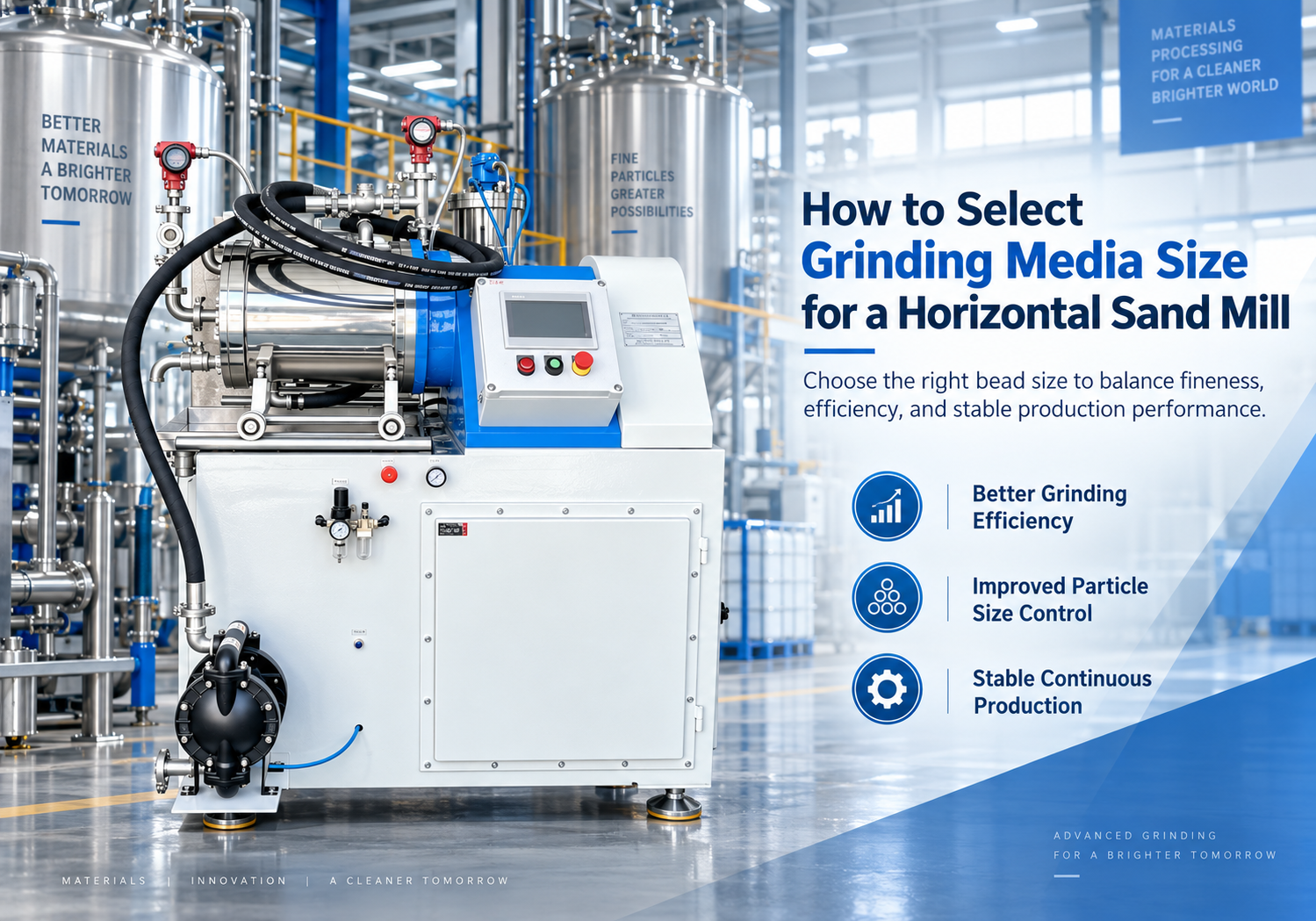
How to Select Grinding Media Size for a Horizontal Sand Mill
The fundamental rule of media selection in a horizontal bead mill is based on the contact point probability and energy transfer required to break down agglomerates.
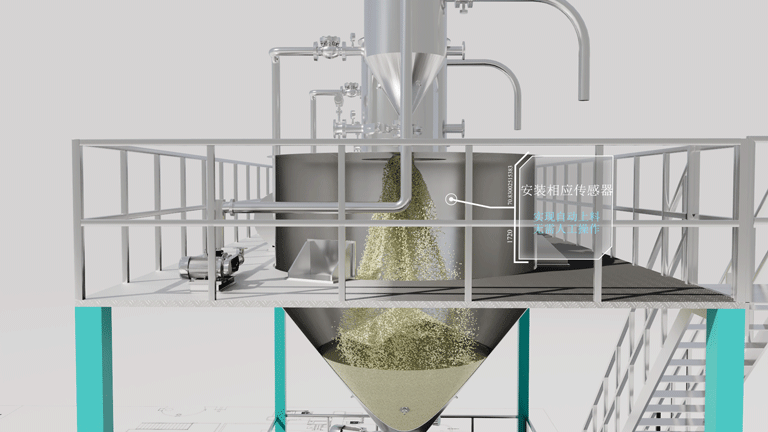
Unpacking & Feeding System
Handles bagged raw materials and transfers them into the production line for continuous downstream processing.
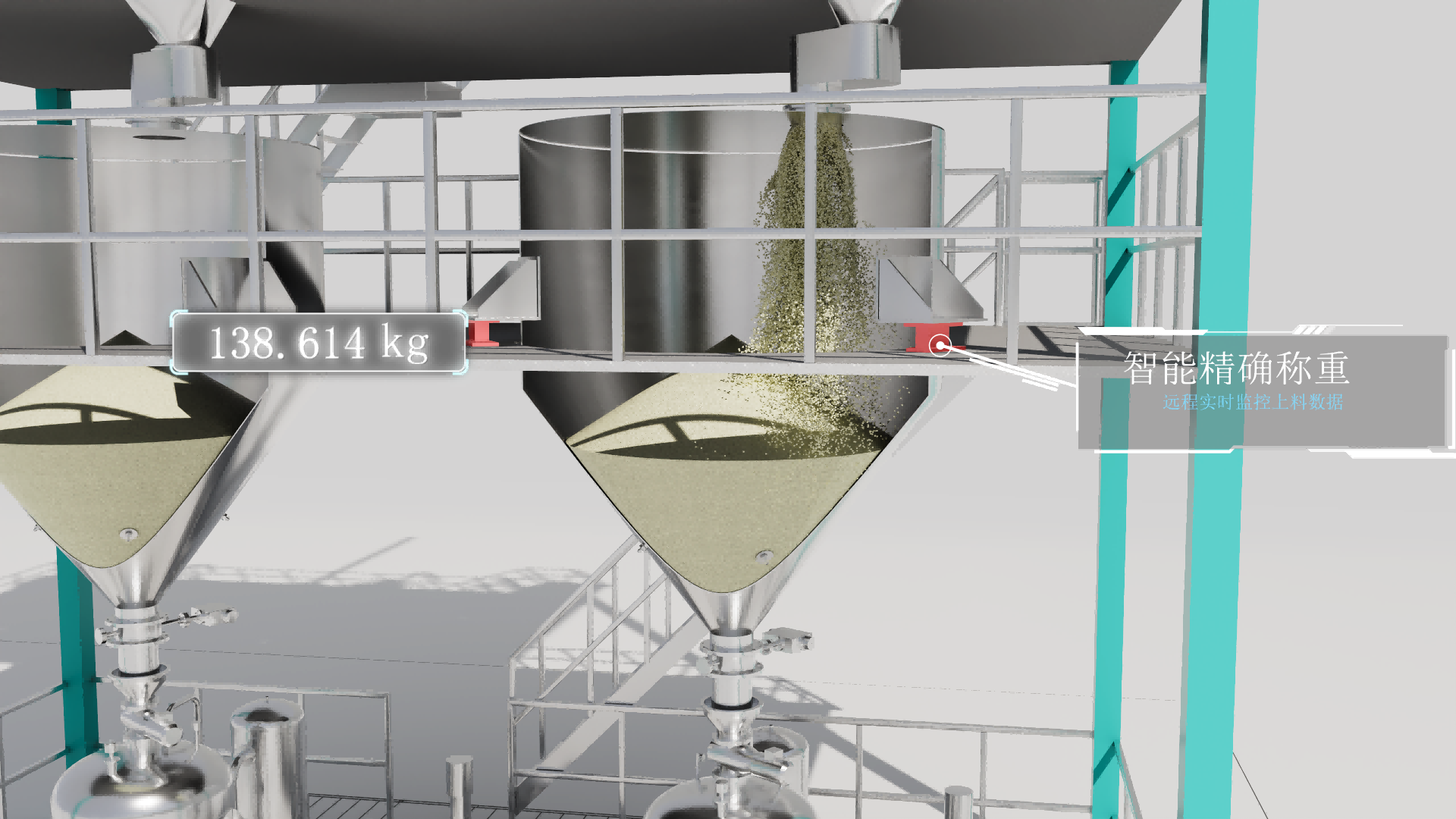
Weighing & Dosing System
Accurately measures and doses different raw materials according to the required formulation ratio.
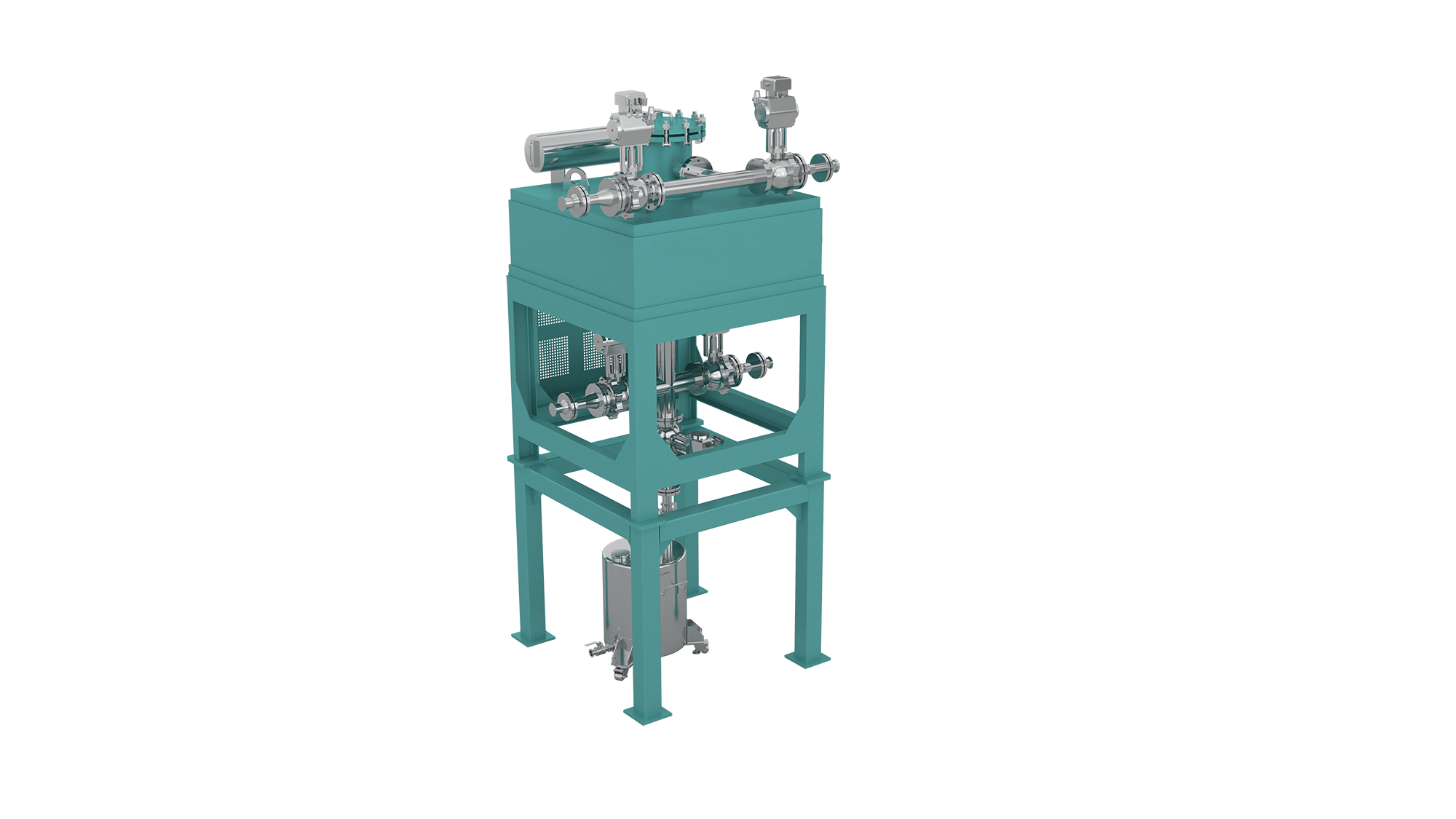
Wet Grinding
Improves particle refinement and dispersion uniformity through controlled wet milling and slurry processing.
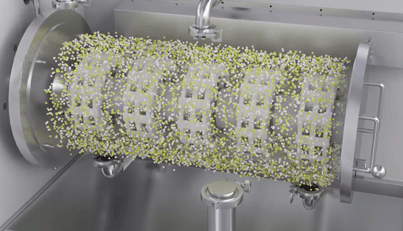
Magnetic Removal & Filtration
Removes magnetic impurities and unwanted particles to support cleaner material flow and stable quality.
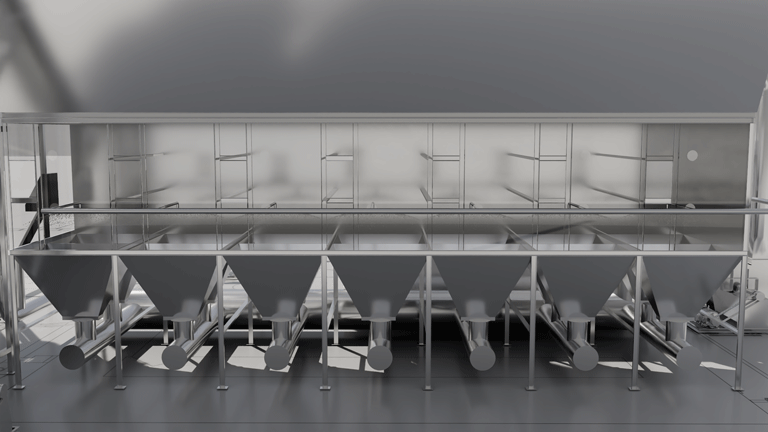
Drying
Removes moisture from the slurry or wet material and prepares it for the next thermal processing stage.
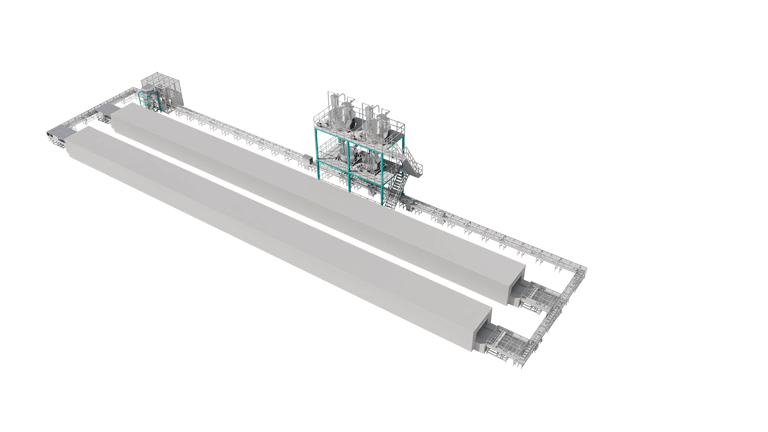
Primary Sintering
Uses controlled heat treatment to promote solid-phase reaction and improve material structure.
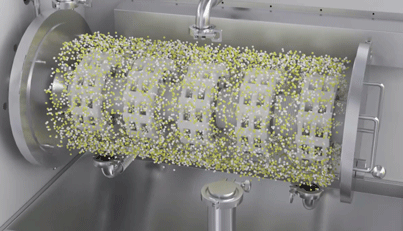
Secondary Grinding
Further refines particle size after sintering to improve consistency and powder performance.
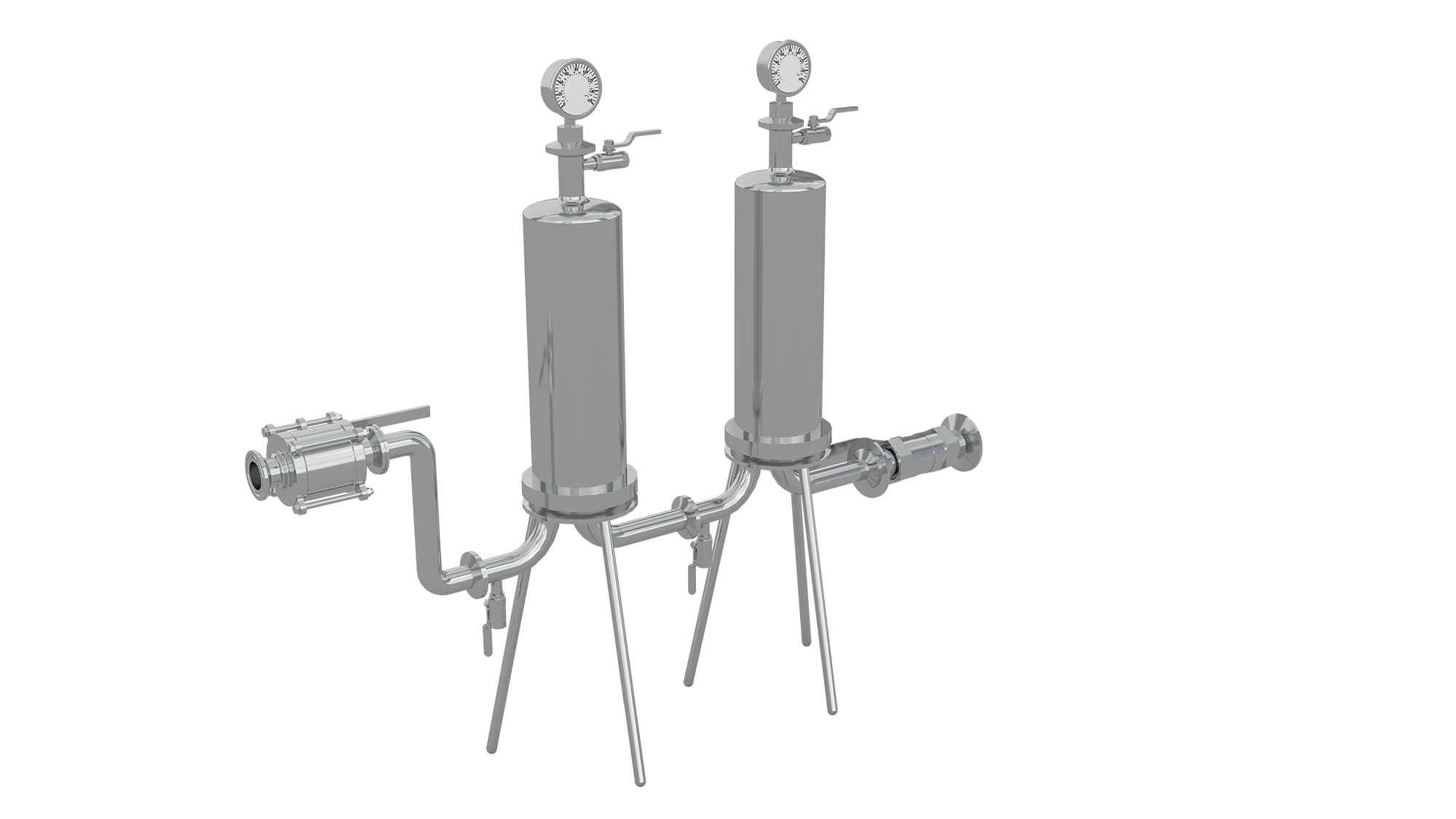
Magnetic Removal & Filtration
Performs another impurity removal stage to reduce magnetic contaminants and improve final material purity.
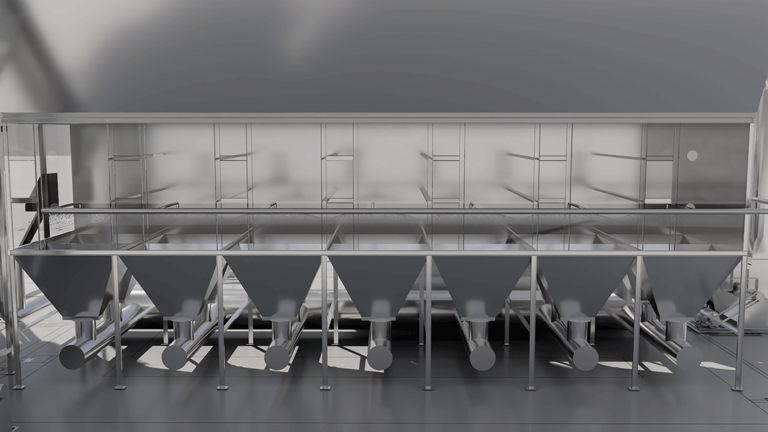
Drying
Controls residual moisture before further sintering or powder treatment, supporting stable downstream processing.
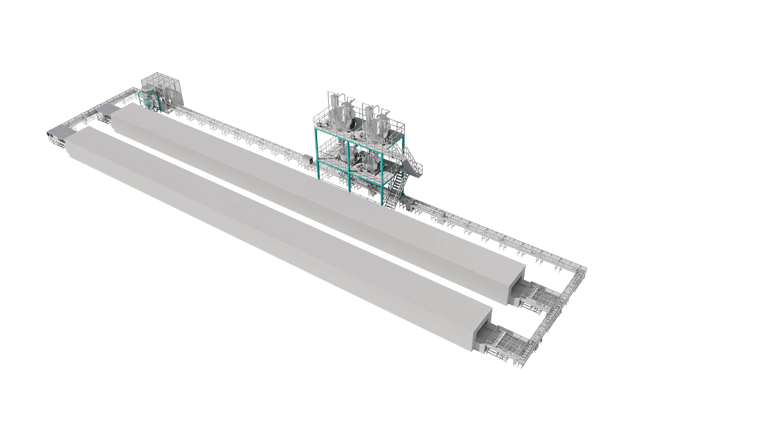
Secondary Sintering
Optimizes material crystal structure and performance through a second controlled thermal treatment.
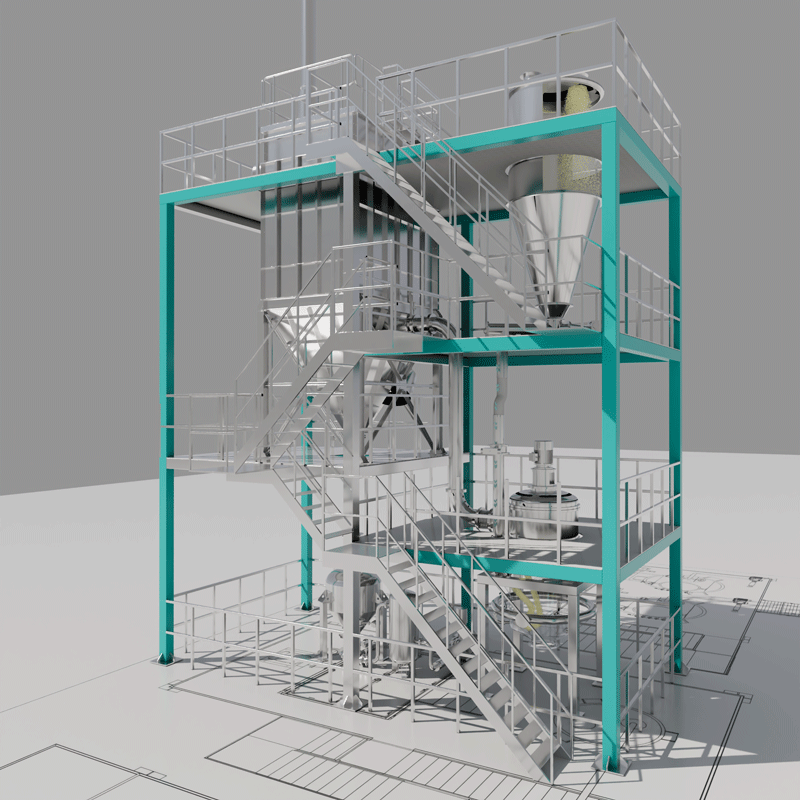
Jet Milling
Uses high-speed airflow for ultra-fine powder processing, particle collision, and particle size control.
Finished Product Packaging
Completes weighing, filling, sealing, and packaging for the finished powder material.
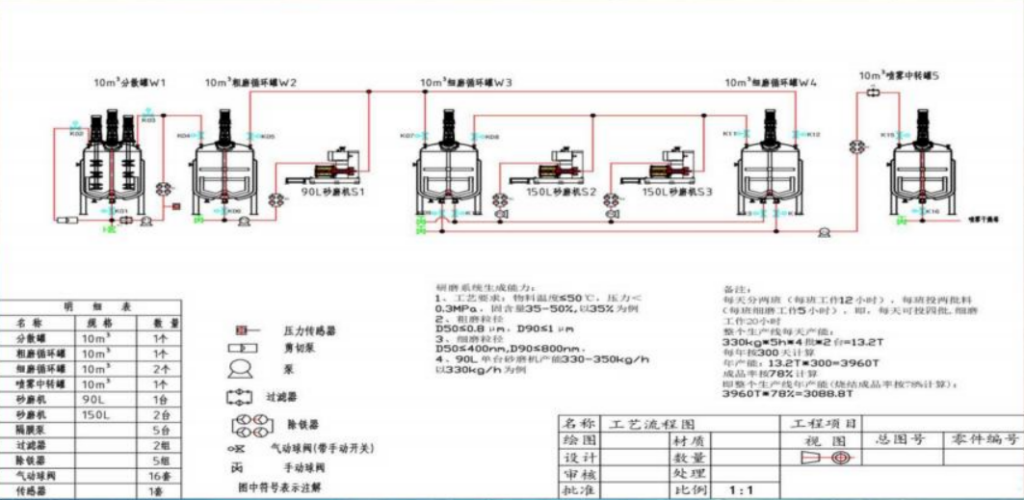
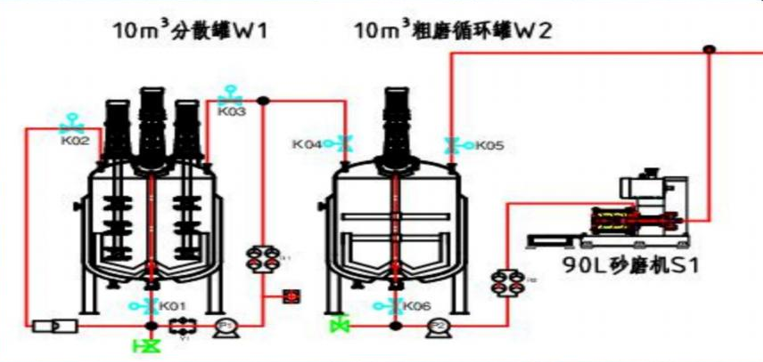
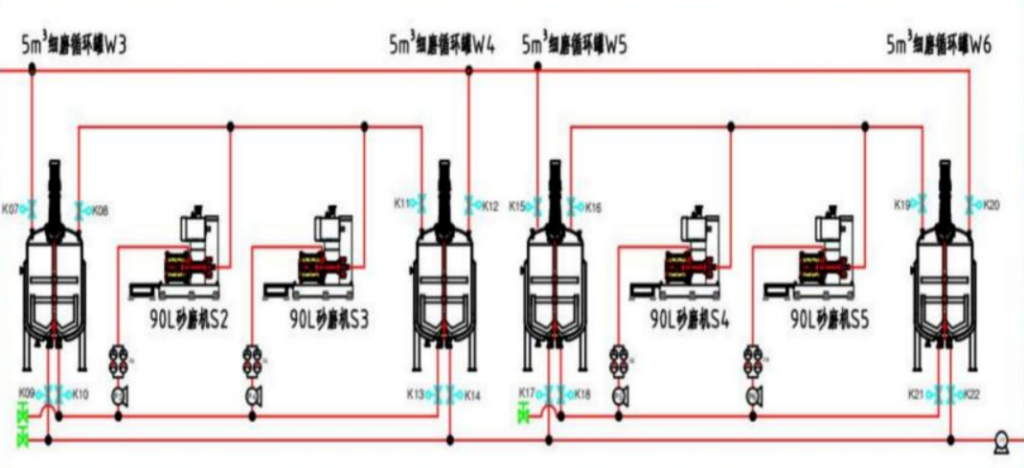
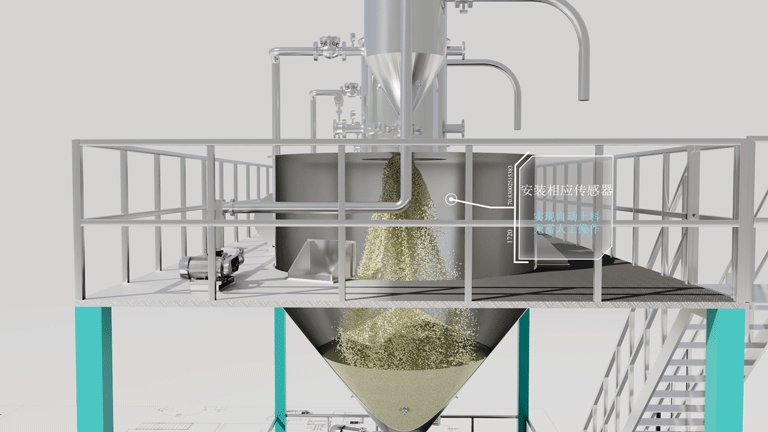
Unpacking & Feeding System
Handles packaged raw materials and feeds them into the production line, supporting stable and continuous material transfer.
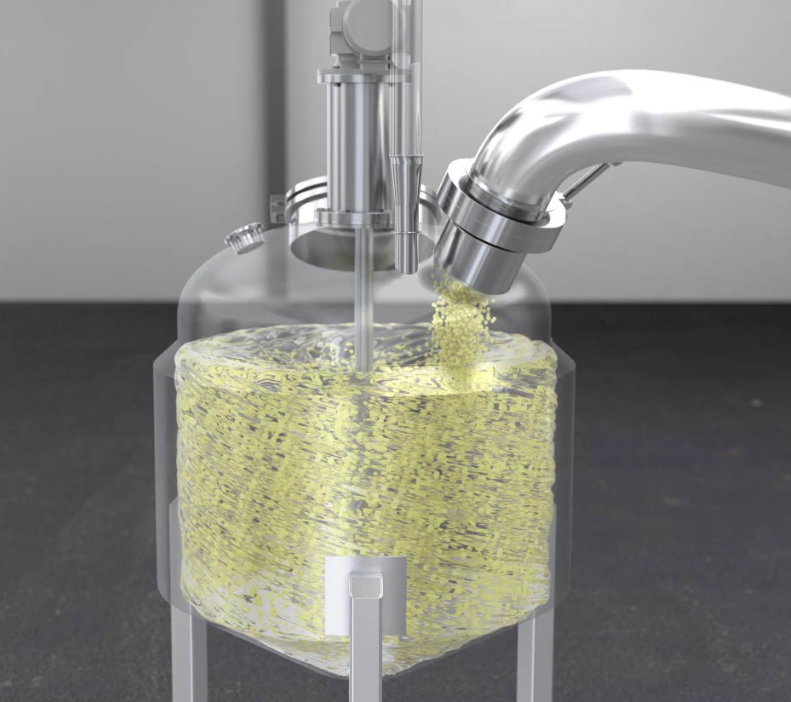
Premixing & Dosing
Accurately doses and premixes pigments, solvents, resins, and additives according to the inkjet ink formulation.
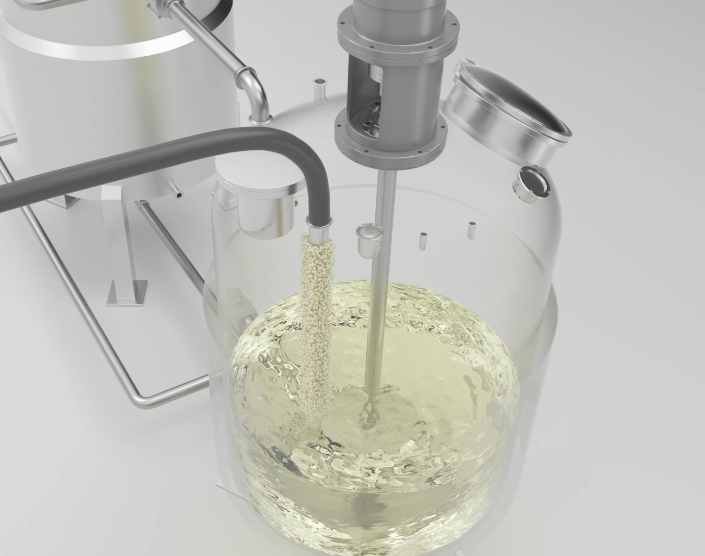
Dispersion & Emulsification
Improves pigment wetting, breaks agglomerates, and creates a uniform pre-dispersed slurry before fine grinding.
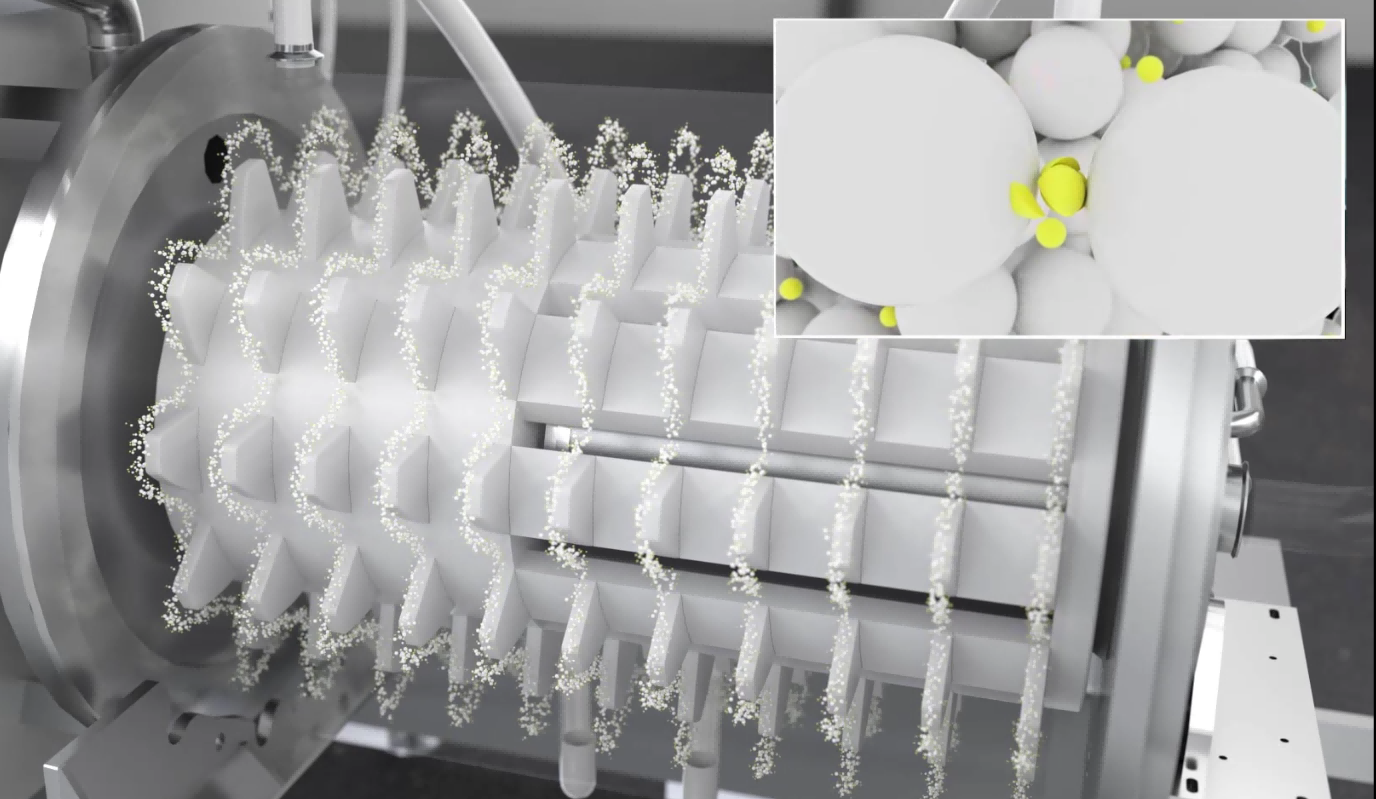
Grinding System
Uses precision wet grinding to control particle size distribution, improve color strength, and ensure stable inkjet performance.
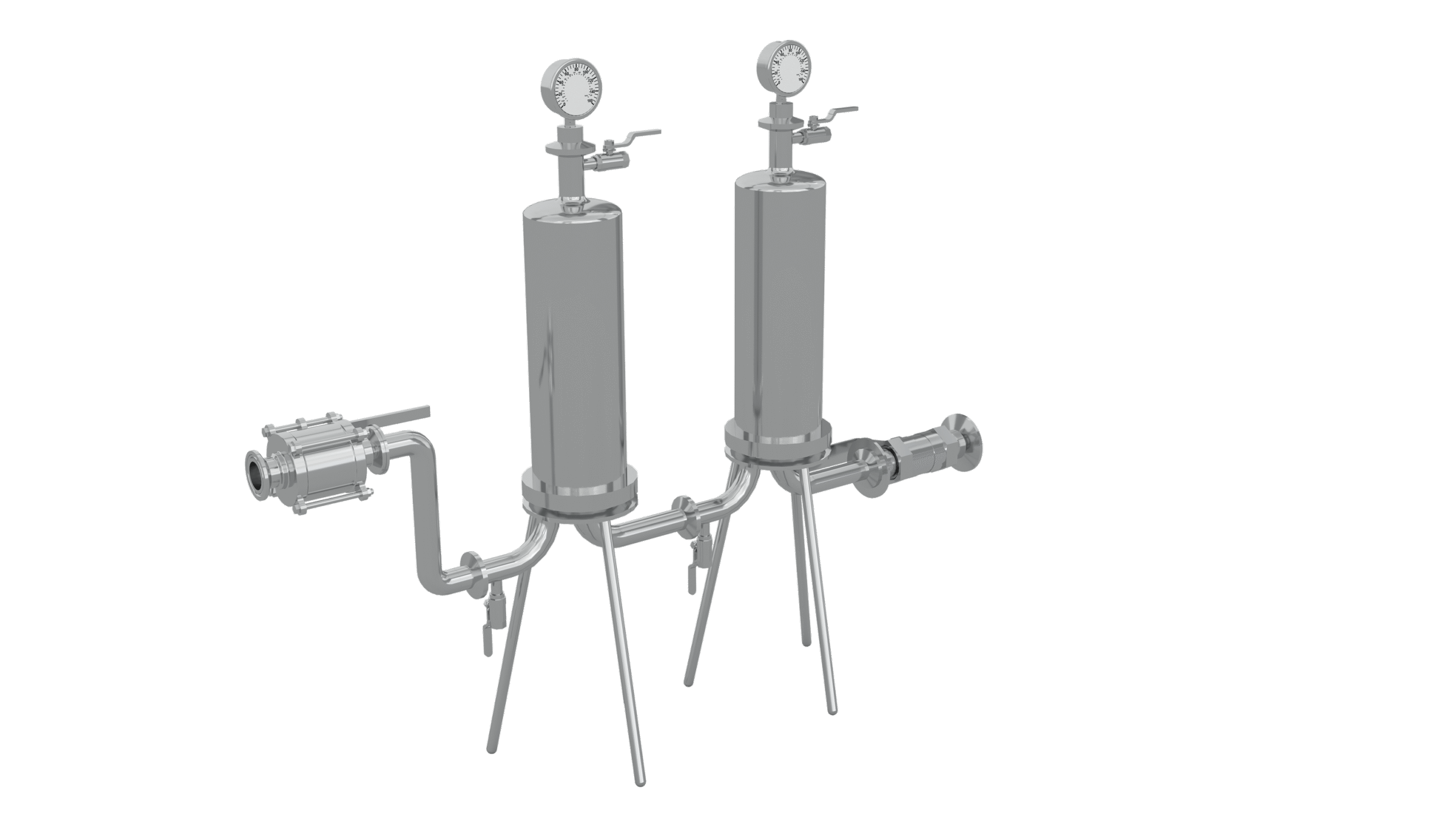
Automatic Filtration
Removes oversized particles and impurities to improve ink cleanliness, nozzle compatibility, and final product stability.
Automatic Filling System
Completes accurate filling and packaging of finished ink products, improving production efficiency and reducing manual handling.
Digital Inkjet Ink Process Flow Diagram
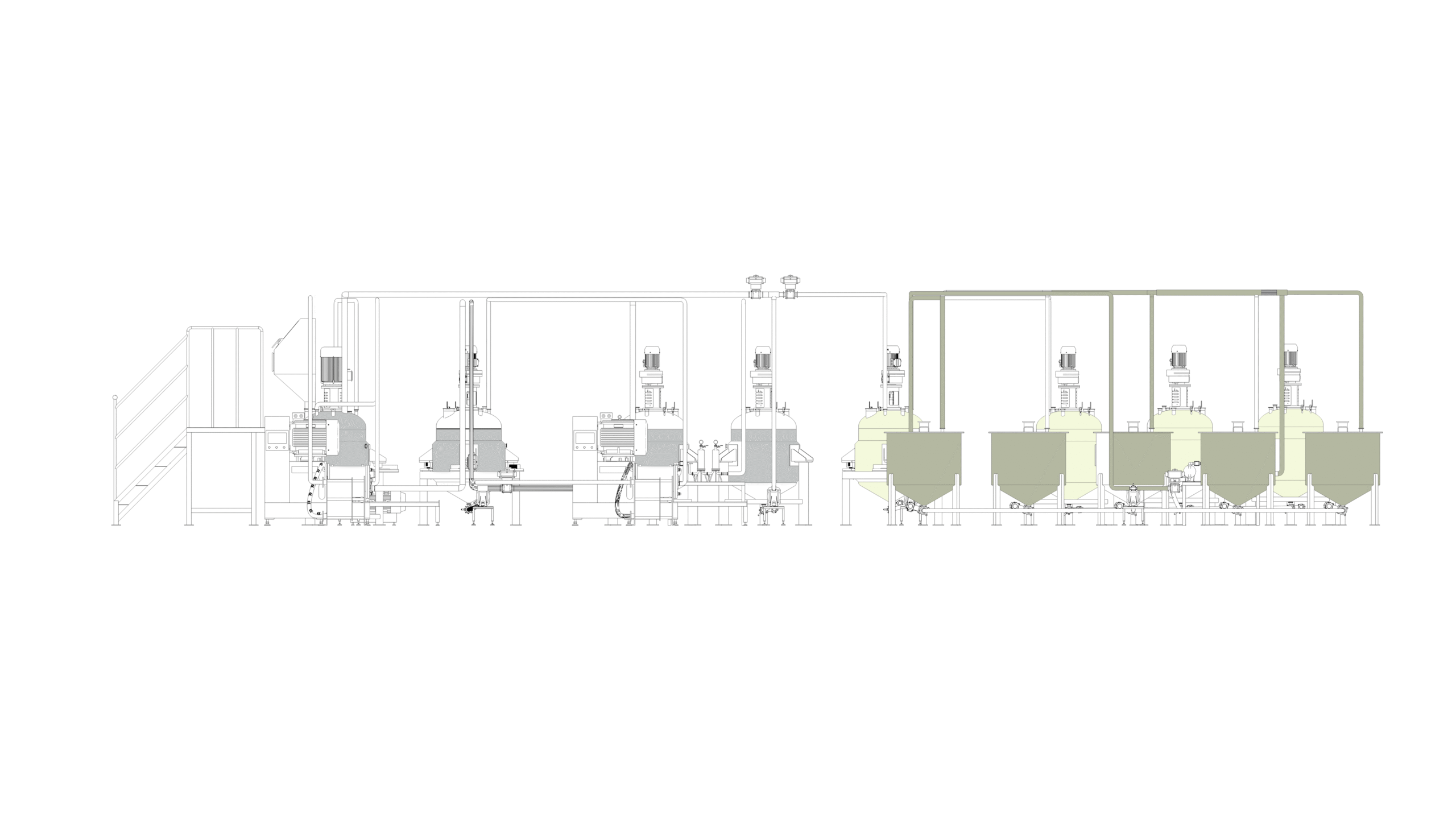
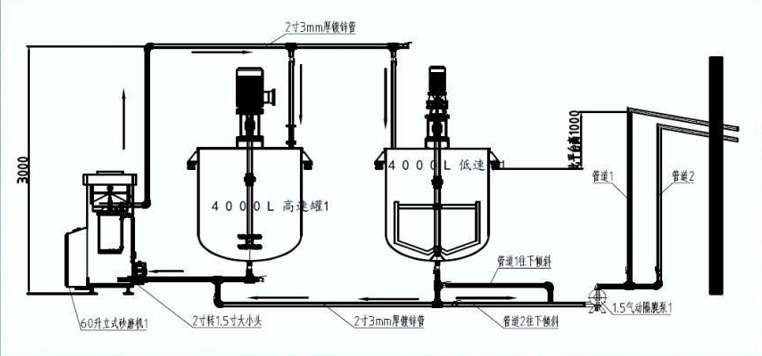
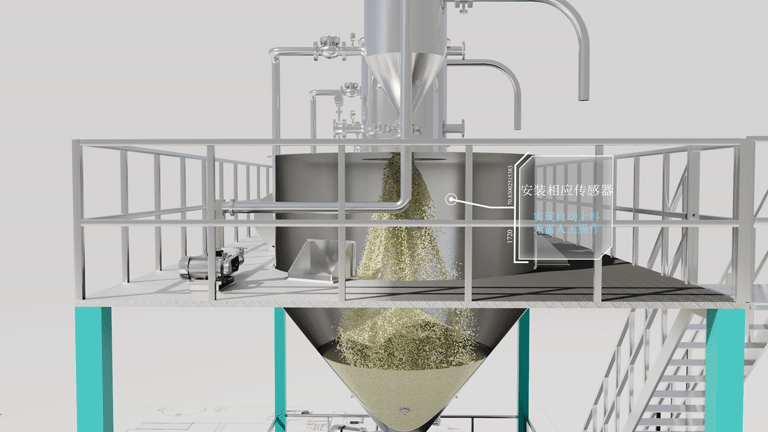
Unpacking & Feeding
Handles bagged or packaged battery materials and feeds them into the production line for stable downstream processing.
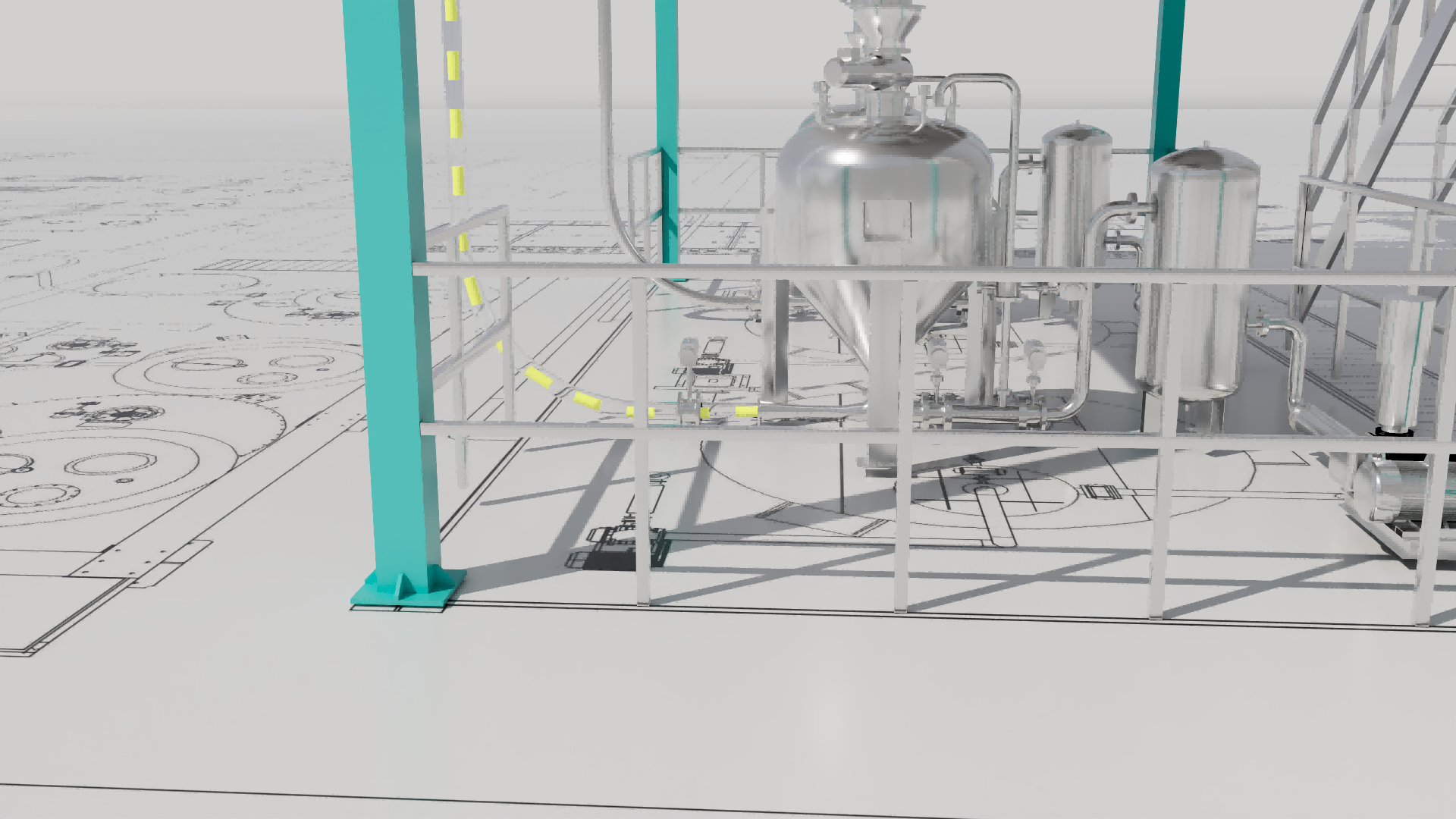
Pneumatic Conveying System
Transfers powder materials through an enclosed conveying system, reducing dust exposure and improving production cleanliness.
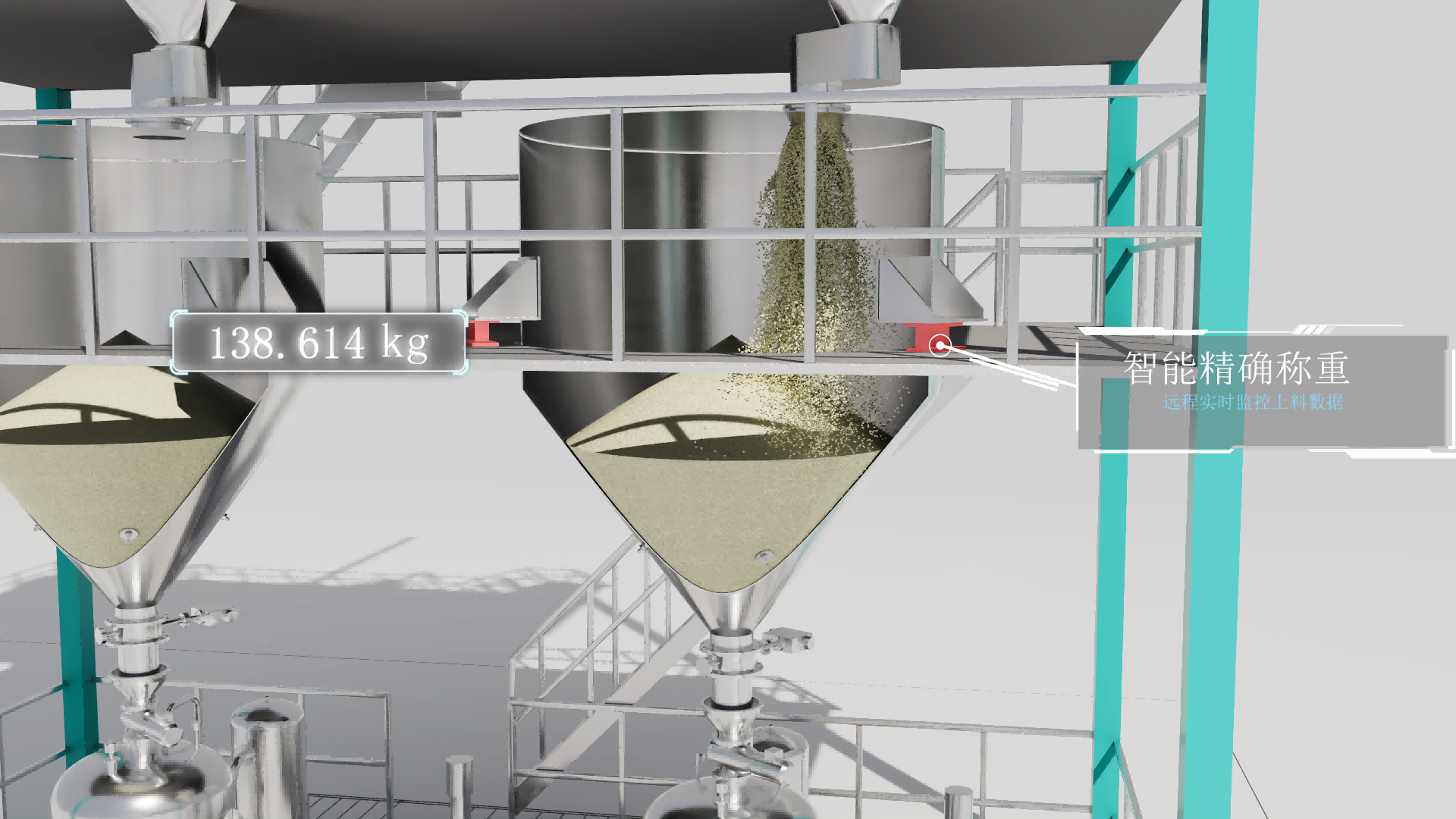
Weighing & Dosing System
Accurately weighs and doses powders, binders, solvents, and additives according to the battery slurry formulation.
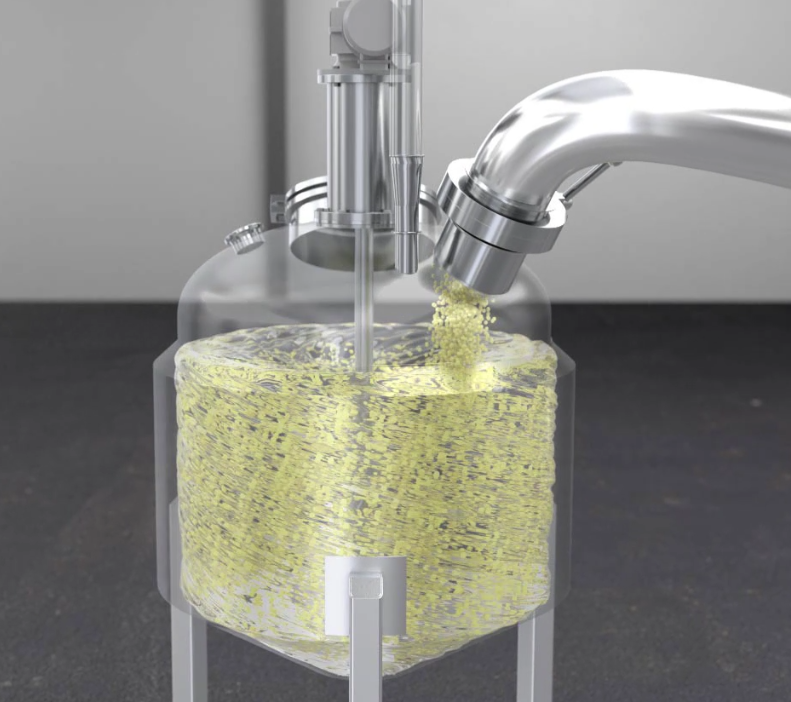
Powder Mixing
Pre-mixes powder materials to improve formulation consistency before the high-speed slurry preparation process.
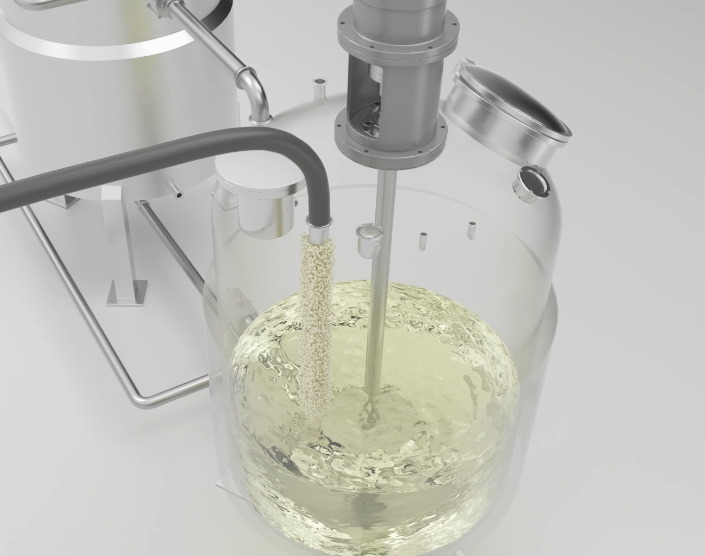
High-Speed Slurry Circulation
Uses high-speed mixing and circulation to improve material wetting, dispersion uniformity, and slurry stability.
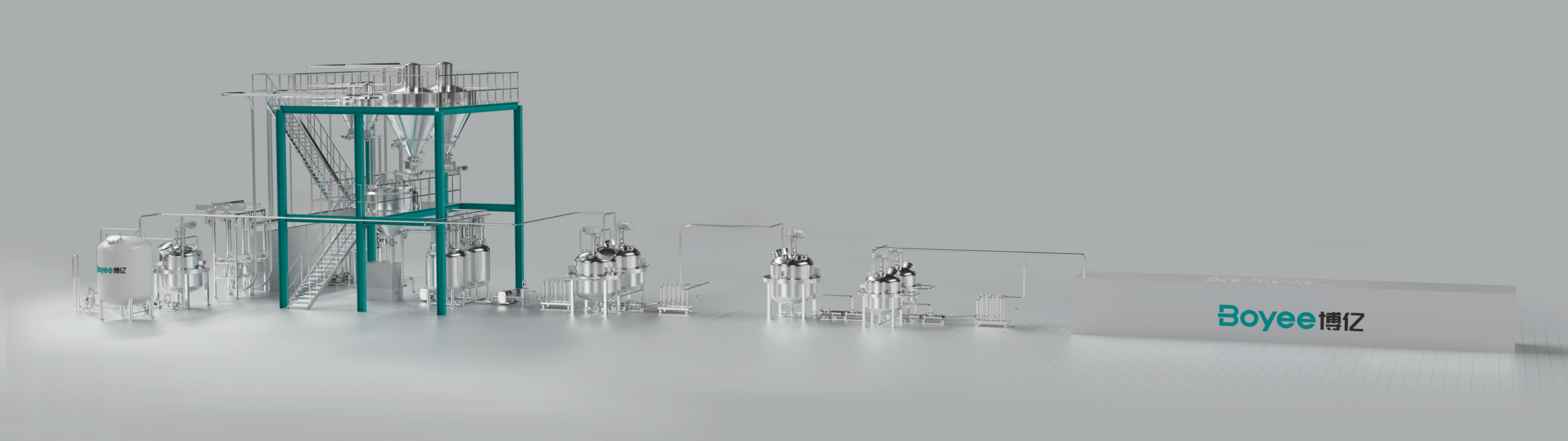
Finished Slurry Tank
Stores the prepared slurry under controlled conditions before deaeration, transfer, filtration, or coating.
Deaeration
Removes trapped air bubbles from the slurry to improve coating quality, density consistency, and electrode performance.
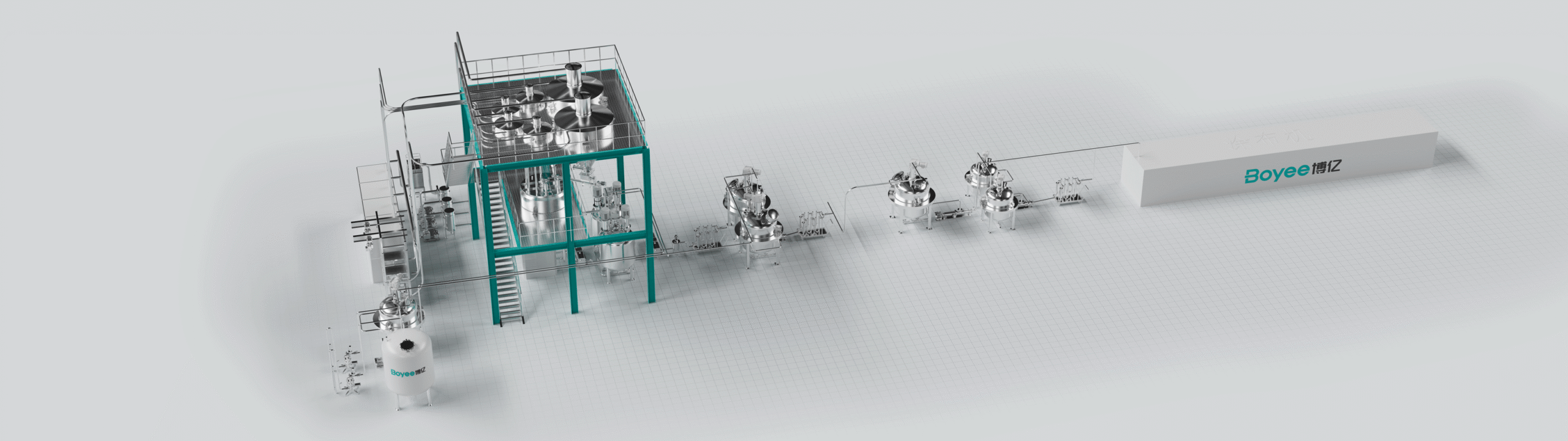
Transfer Tank
Temporarily stores and transfers the slurry between process stages while maintaining stable flow and material consistency.
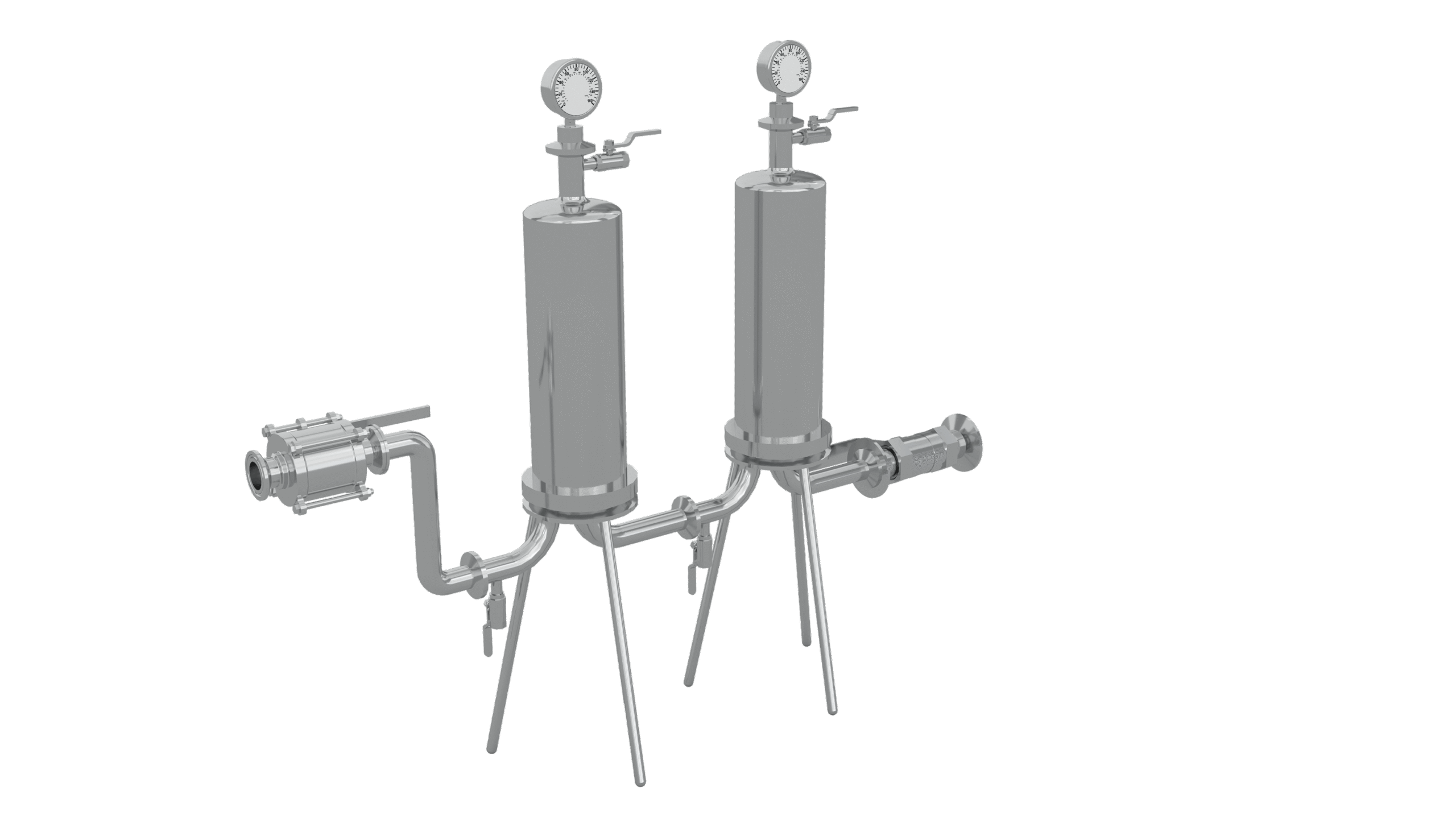
Filtration
Filters oversized particles and impurities to protect downstream coating equipment and improve final slurry quality.
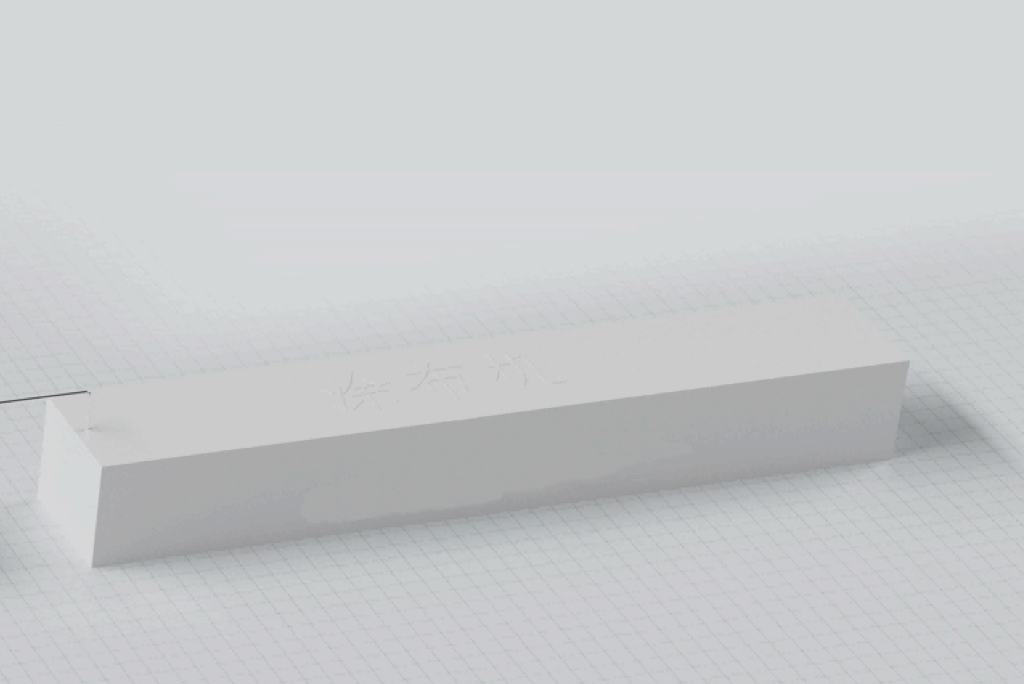
Coating
Delivers qualified slurry to the coating process, supporting stable electrode coating thickness and uniform material distribution.
Battery Slurry Process Flow Diagram
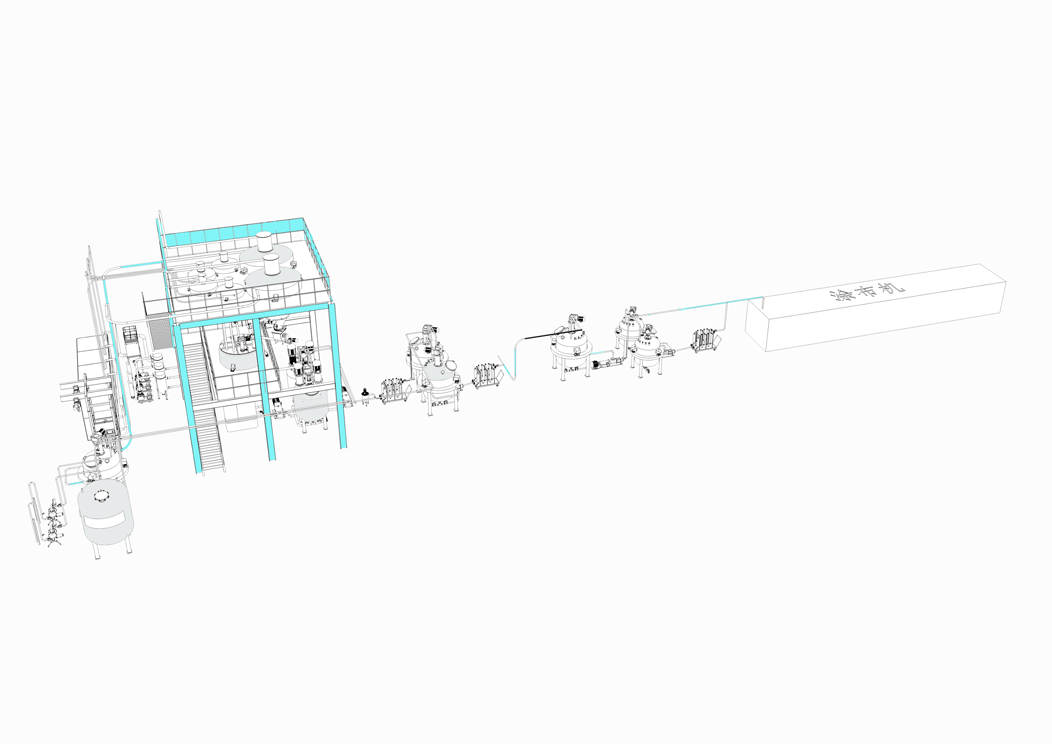
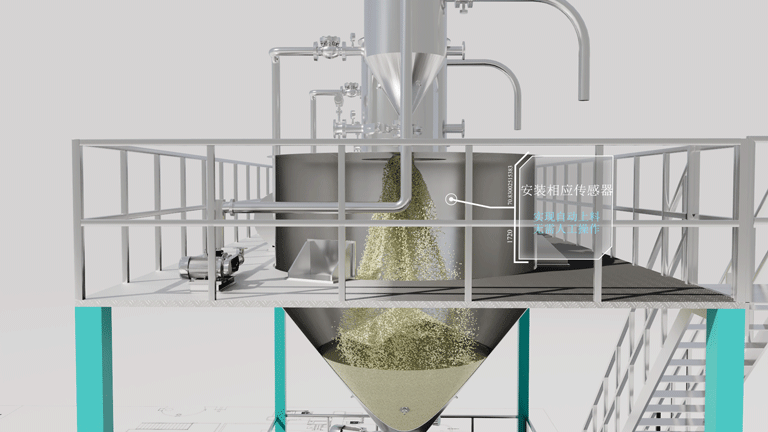
Unpacking & Feeding System
Handles bagged or packaged raw materials and feeds them into the production line for stable and continuous coating material processing.
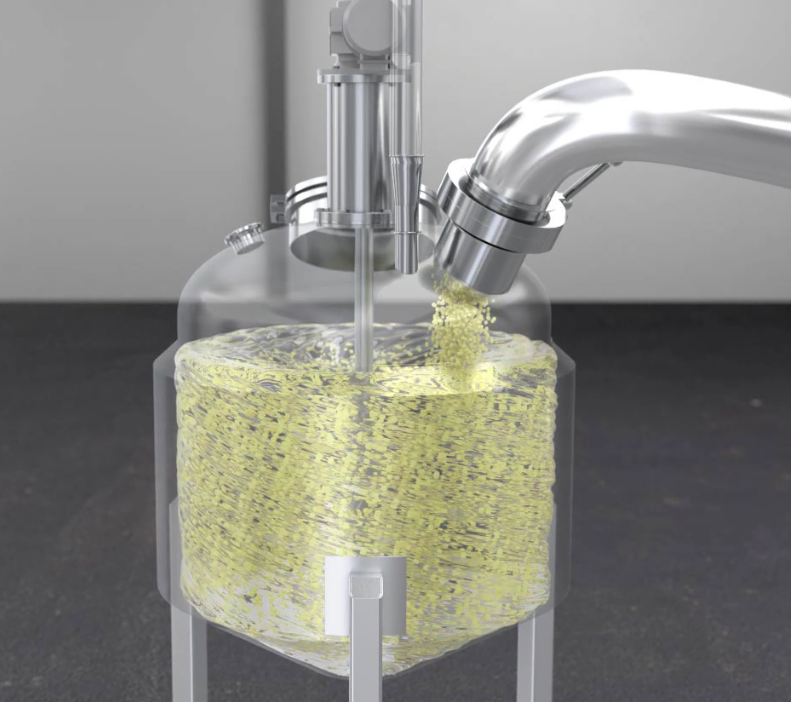
Premixing & Dosing
Accurately doses pigments, resins, solvents, fillers, and additives according to the coating formulation before dispersion.
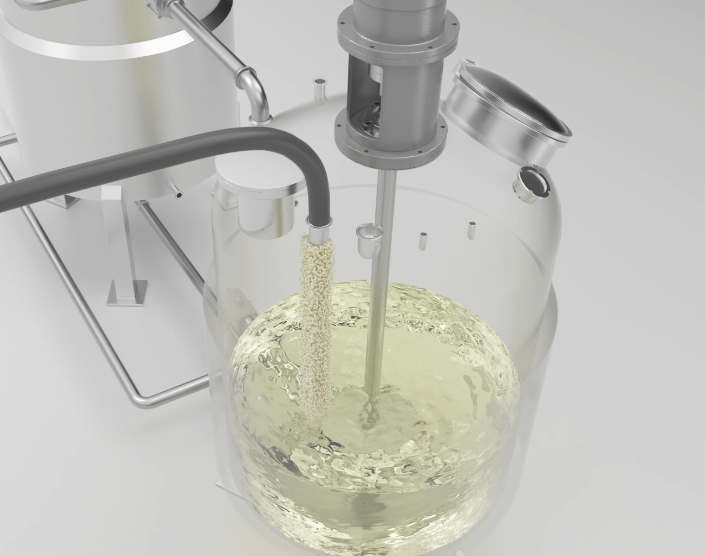
Emulsification & Dispersion
Improves material wetting, breaks soft agglomerates, and creates a uniform pre-dispersed mixture before fine grinding.
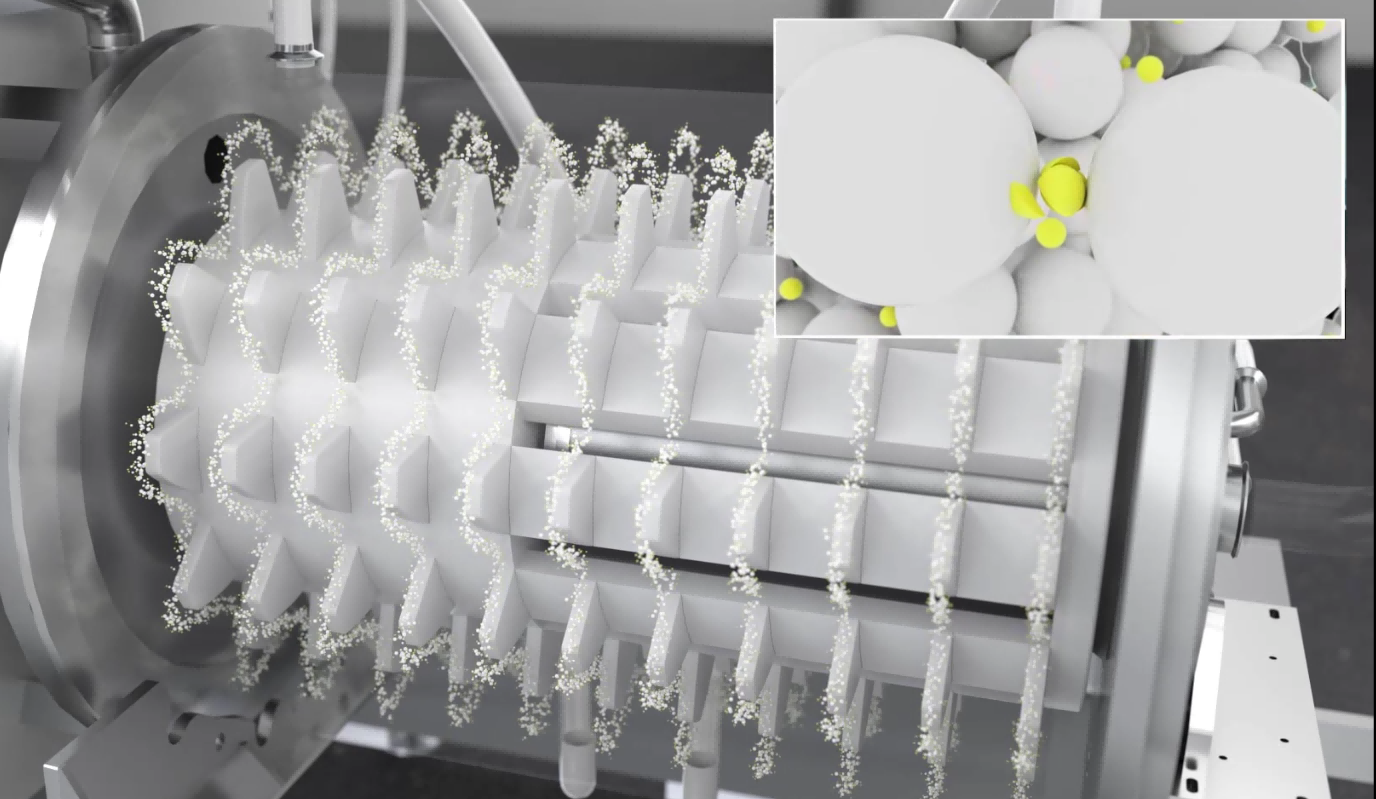
Grinding System
Uses wet grinding equipment to refine particle size, improve color strength, enhance dispersion uniformity, and stabilize coating quality.
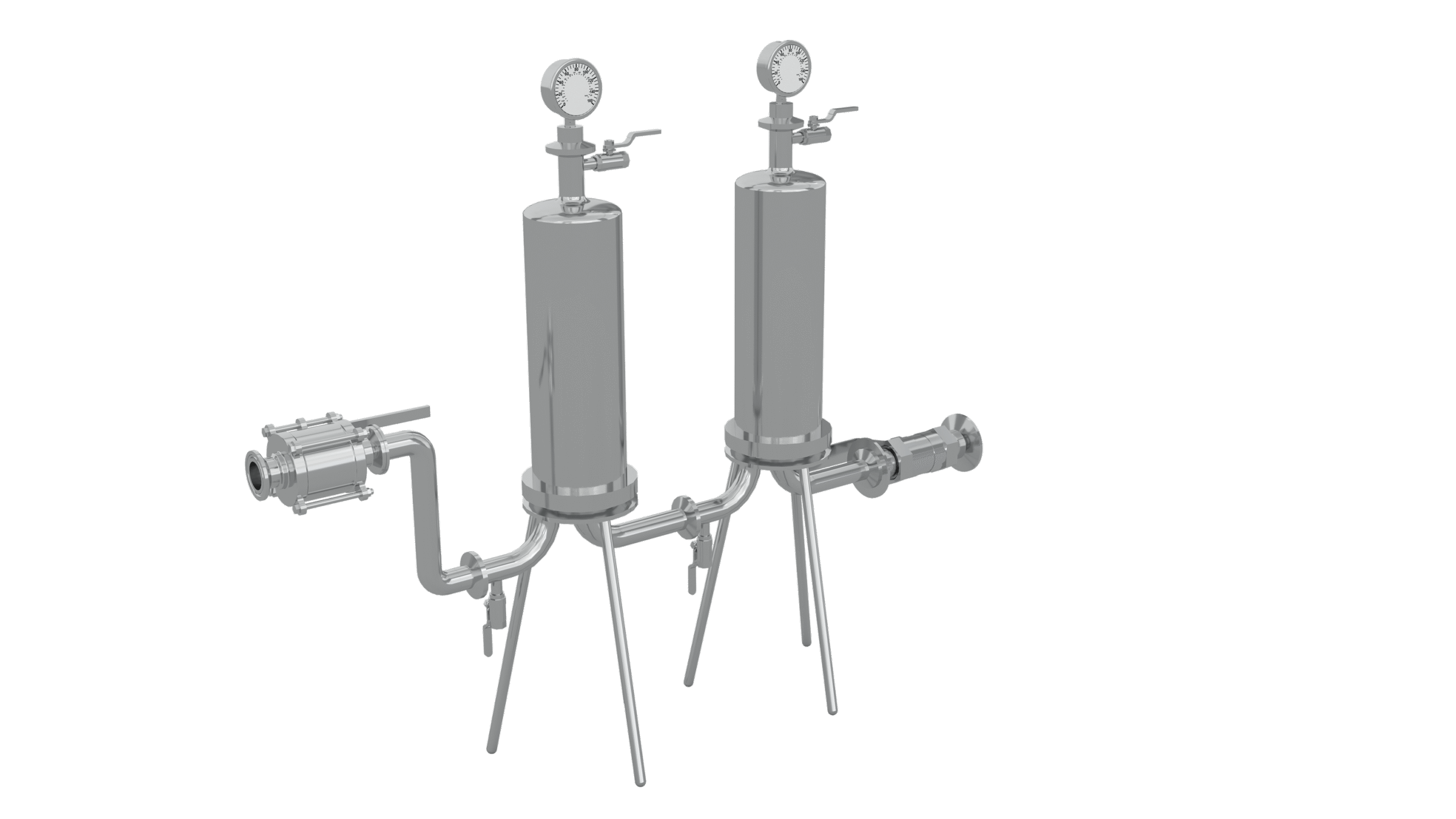
Filtration System
Removes oversized particles, impurities, and unwanted residues to improve product cleanliness and coating application performance.
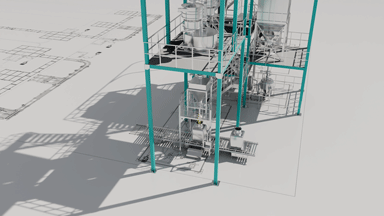
Automatic Filling System
Completes accurate filling, packaging, and finished product handling, helping improve production efficiency and reduce manual operation.